Posts
The V-Carbon System: How a New Generation of Carbon Peel Works
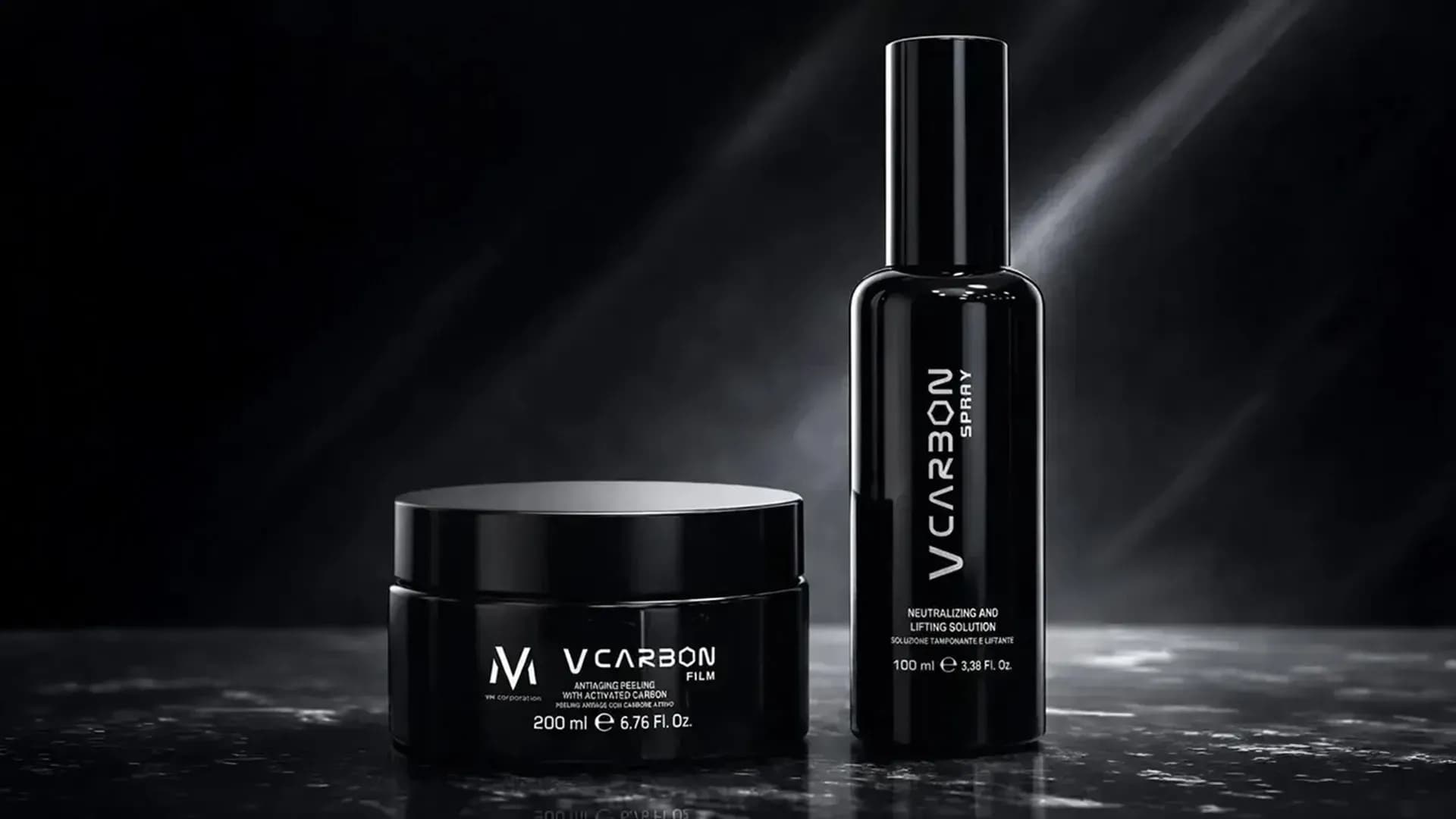
Skin peels have come a long way from the single bottle of acid a clinic once swabbed across the face. The newer generation combines several active ingredients at low concentrations, layers them in a controlled way, and builds in recovery support, all to deliver visible results with far less downtime. The V-Carbon System, often called the Hollywood Peel, belongs to this new generation. This article explains how it works: why it starts with activated charcoal, what the occlusive carbon film actually does, and how an ingredient called Gabellina sets it apart from an ordinary acid peel.
Regenerative Therapies for Hair Loss: How the Science Has Evolved
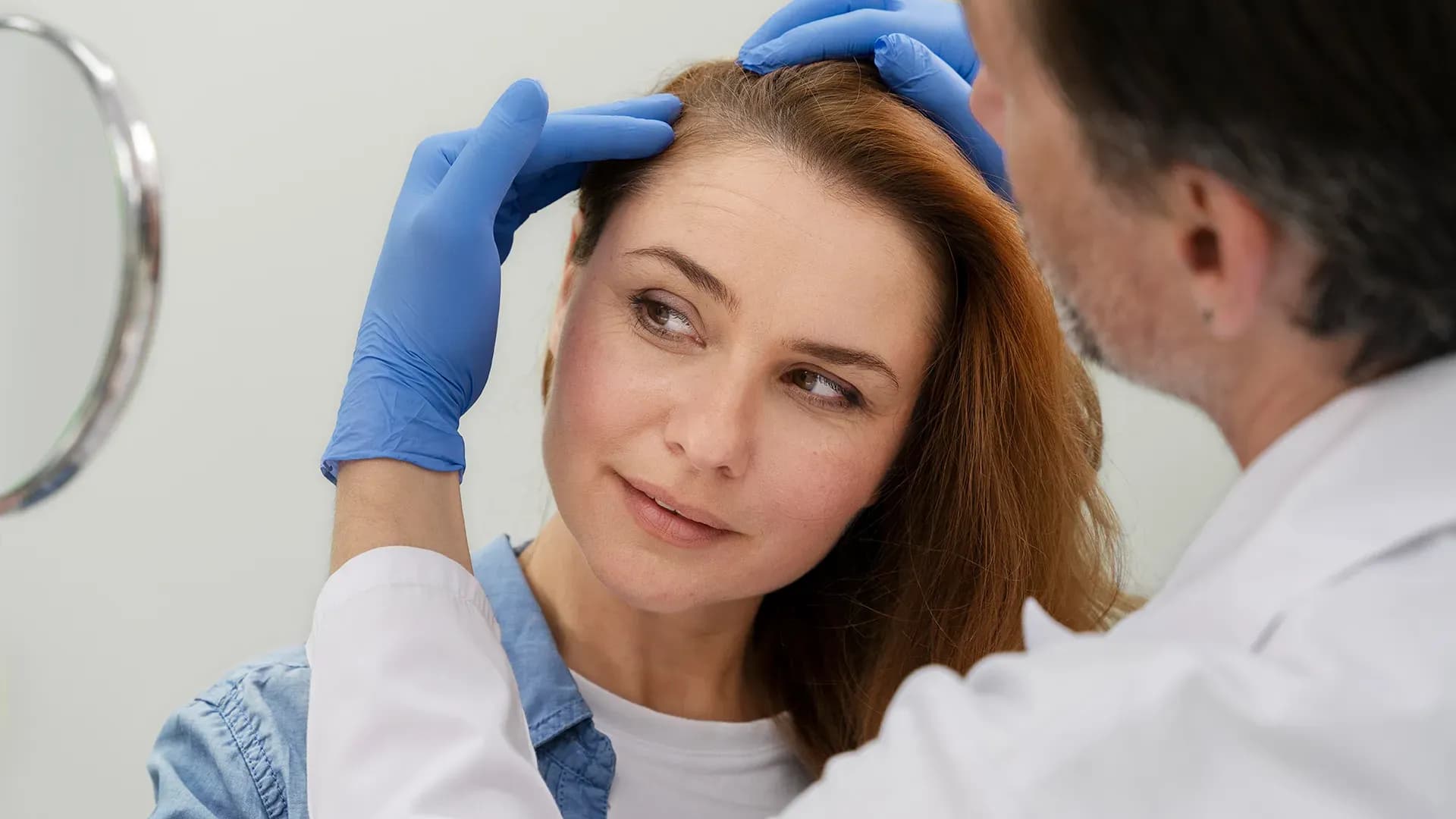
Hair loss affects beyond how you look. For many people in India, thinning hair wears down confidence and shows up in small daily moments, like restyling to cover a widening part or noticing it in photographs. That worry usually arrives long before anyone else sees a problem, and hair fall of this kind is one of the most common reasons people walk into a skin clinic.
Chemical Peel for Face: Types, Benefits, and Recovery Guide
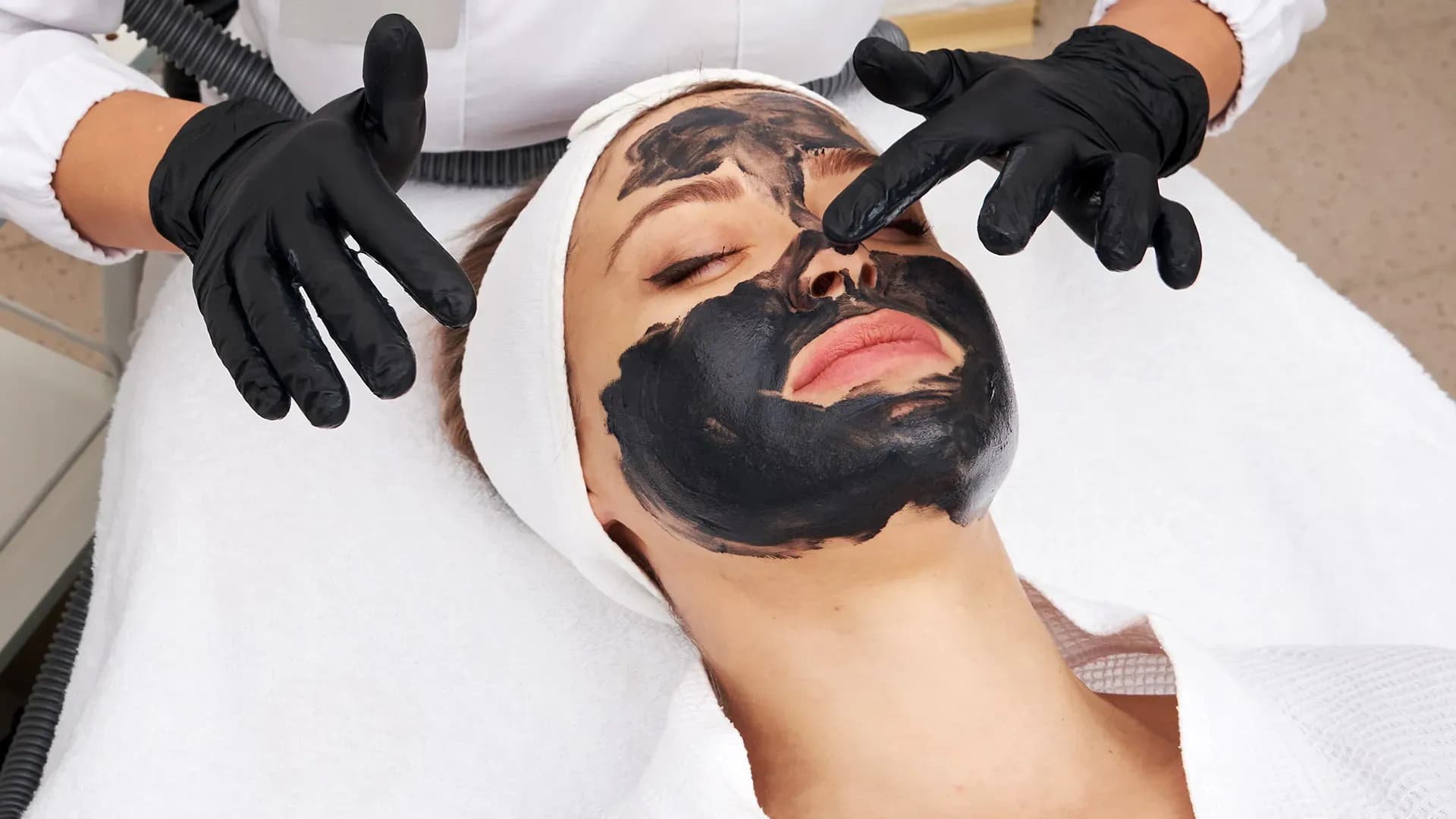
Chemical face peels deliver what months of topical creams promise but rarely achieve. These treatments provide genuinely transformed skin texture, faded age spots, and natural luminosity. The mechanism is straightforward: apply a calibrated chemical solution to the skin and watch the surface dissolve away to reveal fresher layers underneath.
Pigmentation Treatment: What Dermatologists Actually Recommend
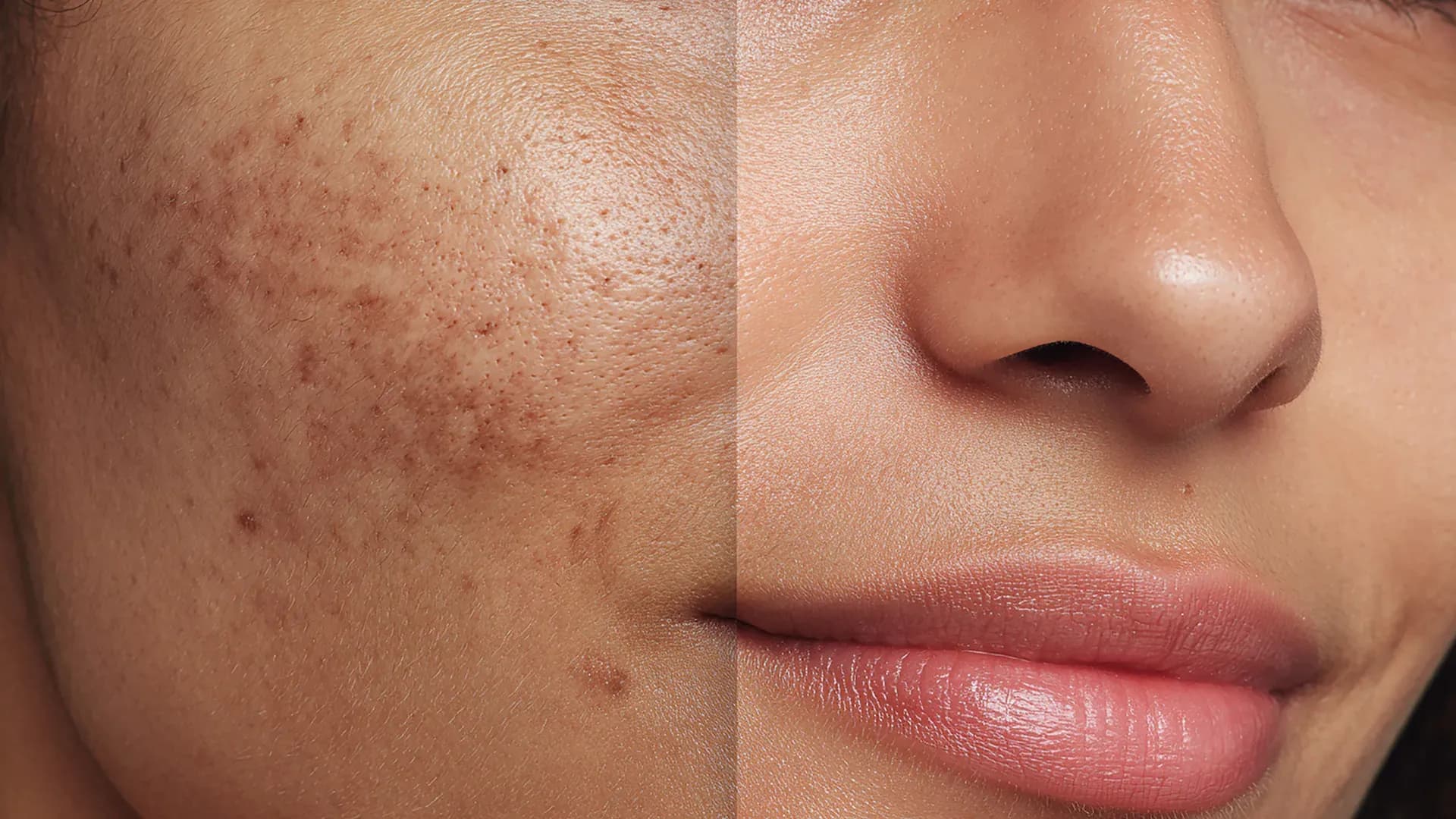
Dark patches on the face and uneven skin tone are common concerns. Spots that won't fade despite months of sunscreen affect millions of people worldwide, and the desire to treat them is legitimate, as visible discoloration affects how people feel about their skin and their confidence.