The V-Carbon System: How a New Generation of Carbon Peel Works
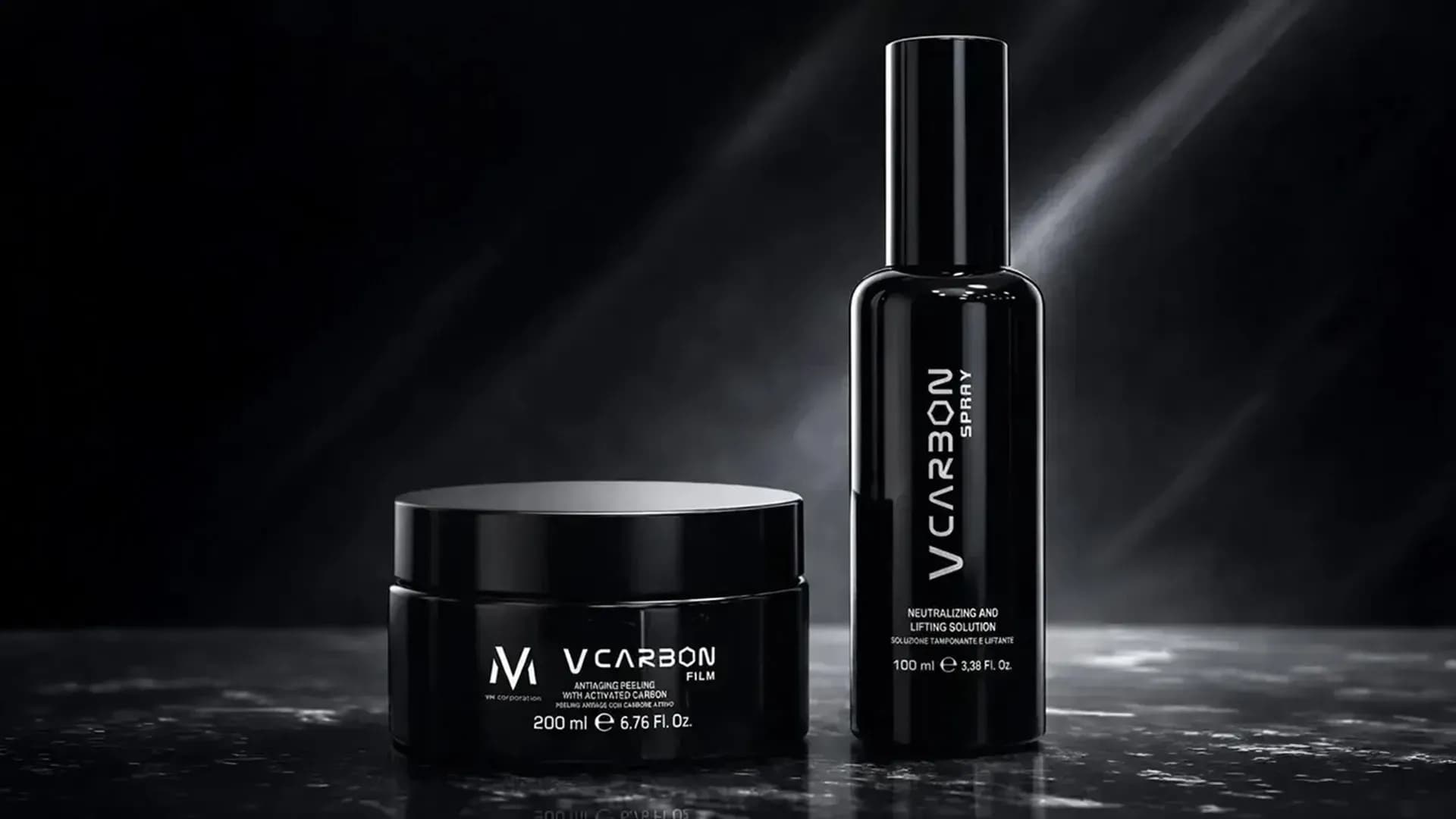
Skin peels have come a long way from the single bottle of acid a clinic once swabbed across the face. The newer generation combines several active ingredients at low concentrations, layers them in a controlled way, and builds in recovery support, all to deliver visible results with far less downtime. The V-Carbon System, often called the Hollywood Peel, belongs to this new generation. This article explains how it works: why it starts with activated charcoal, what the occlusive carbon film actually does, and how an ingredient called Gabellina sets it apart from an ordinary acid peel.
The Shift to Advanced Peeling Systems
Traditional chemical peels rely on one acid doing all the work. A higher concentration drives deeper exfoliation, but it also drives more irritation, more redness, and more downtime, and in darker Indian skin it raises the risk of post-inflammatory hyperpigmentation (PIH), the stubborn dark patches that can follow inflammation. For years that trade-off was accepted as the cost of a real result: stronger peel, longer recovery.
Advanced peeling systems take a different design approach. Instead of one acid at a high dose, they combine several actives at low concentrations so each contributes a small, controlled effect, and they add ingredients that support the skin barrier during the treatment rather than afterward. The aim is to reach a good result through smarter formulation instead of brute strength, which keeps downtime short. The V-Carbon System is built on this idea, and it adds one ingredient the others do not: activated charcoal.
Why the System Starts With Carbon
Activated charcoal is in the formula for a physical property called adsorption, where molecules stick to its surface. Charcoal is riddled with microscopic pores that give a single gram an enormous internal surface area, and that surface grabs and holds oily and unwanted material on contact. It is the same property that makes activated charcoal a standard hospital treatment for certain kinds of poisoning, where it binds toxins in the gut before the body can absorb them.
On skin, that adsorption does focused work. When the charcoal film is applied, it binds to sebum, dead surface cells, oxidised oils, and the debris that collects in pores and follicles, lifting them away as the peel is removed. For oily and acne-prone skin, pulling excess sebum and pore-clogging material out of the follicle is a real benefit on its own. Charcoal also does something subtler. It concentrates the peel's acids exactly where they are needed, inside the pores and follicles, rather than letting them spread thin across the whole surface.
The Occlusive Carbon Film: A Penetration Booster
The charcoal in the V-Carbon System comes as a film rather than a loose powder, applied in a thin layer with a brush. As it sits, it forms a thin occlusive layer with a silky texture, sealing the surface briefly.
That occlusion does more than it appears to. By sealing the skin, the film raises local hydration and temporarily increases permeability, so the actives underneath penetrate more evenly than they would from an open application. The film is the delivery mechanism. It holds the charcoal and acids in close contact with the skin, improves their uptake, and concentrates the detox effect. This is part of why the system can keep acid concentrations low and still produce a meaningful result.
The Active Ingredients, Kept Deliberately Low
Under the film sits a blend of four mild acids: mandelic, lactic, ferulic, and glycolic, at a combined concentration of only 5 to 10 percent. Each was chosen for a reason. Mandelic and lactic acids are large, gentle molecules that exfoliate slowly and are well tolerated by darker and sensitive skin. Glycolic acid is smaller and quicker to penetrate, included in a small dose for added turnover. Ferulic acid is an antioxidant that also helps stabilise the others. Together they loosen the bonds holding dead cells together so the skin can shed them, without the aggression of a single high-strength acid.
The formula also carries an antioxidant and anti-inflammatory pairing, black ginger extract and glycyrrhizic acid (derived from liquorice root), which calms the skin and counters the low-grade irritation that any exfoliation produces. The design logic runs throughout: many small, complementary actions in place of one harsh one.
Gabellina: The Ingredient That Sets It Apart
The step that most distinguishes the V-Carbon System arrives at the end, in a neutralising spray built around a molecule called Gabellina. Gabellina is a molecular complex of GABA (gamma-aminobutyric acid) and a biomimetic polypeptide, a lab-made protein fragment that imitates the skin's own repair signals.
It does two jobs. First, the spray neutralises the acids and restores the skin's natural pH, ending the exfoliation cleanly instead of leaving it to wear off on its own. Second, Gabellina has a tightening and lifting effect and signals the skin's fibroblasts, the cells that make collagen, to begin repair. Because the carbon film has already raised the skin's permeability, the Gabellina in the spray penetrates further than it otherwise could. The result is that recovery and firming begin during the treatment itself, not as a separate step days later. GABA contributes here too, helping to calm the inflammatory response that drives post-peel redness and, in darker skin, pigmentation.
What a Session Looks Like
The whole treatment takes about thirty minutes and uses no laser at any point. The skin is cleaned and dried, and a thin layer of the carbon film is brushed on. It is left to work for 8 to 12 minutes for a soft, gentle result, or up to 18 to 20 minutes for a medium-depth one, which gives the practitioner a simple way to adjust intensity to your skin and your tolerance. The Gabellina spray is then applied and massaged in to neutralise and lift, the skin is cleaned, and a second pass of spray is massaged in to finish. There is no burning, and most people leave with nothing more than a light flush that settles within a few hours.
Why This Suits Indian Skin
For Indian skin tones (Fitzpatrick types IV to VI), the biggest risk with any peel is post-inflammatory hyperpigmentation, and it rises sharply with stronger acids and more inflammation. The V-Carbon System is built to keep that risk low. The acids stay at 5 to 10 percent, the gentlest of them (mandelic and lactic) are well documented as safer choices for darker skin, and the GABA and Gabellina actively dampen the inflammation that would otherwise trigger pigment. Studies of superficial peels in darker skin report low complication rates, on the order of under 4 percent across Fitzpatrick III to VI, with the occasional reaction settling on its own. The practical effect is a peel that suits deeper skin tones and busy schedules, giving visible brightening and smoother texture with very little to recover from.
Where the V-Carbon System Fits
A single session gives an immediate freshness and glow as the dead surface layer comes away. The deeper benefits, firmer texture, refined pores, and softer fine lines, build up over a course of four to six sessions spaced a few weeks apart, with a maintenance session every couple of months to hold the gains. It suits oily and acne-prone skin, dullness, uneven texture, and early signs of ageing. For deep acne scars or pronounced photoageing, it works best as part of a broader plan rather than on its own.
The V-Carbon System belongs to the same new wave of peels as multi-phase formulas such as triphasic hyaluronic-acid peels, which also combine several ingredients at low doses to do more with less irritation. The common thread is downtime. The old rule that a stronger peel must mean a week of redness is giving way to systems designed to deliver a result you can wear out of the clinic the same afternoon.
A Note on the Carbon Laser Facial
You may have seen a different treatment also described as a carbon or charcoal peel, the one that uses a Q-switched laser to heat a carbon paste on the skin. That is a separate, laser-based procedure. The V-Carbon System reaches carbon's cleansing and detox benefits through topical adsorption and an occlusive film instead of laser energy, which is why it needs no laser equipment and carries no laser-related risk. Where this article refers to a carbon peel, it means the topical V-Carbon System.
Frequently Asked Questions
It is an advanced topical peeling system that combines activated charcoal, a low-concentration blend of mild acids, and a Gabellina-based neutralising spray. The charcoal cleanses and detoxifies while concentrating the acids in the pores, and Gabellina neutralises the peel and starts the skin's repair and firming during the treatment.
No. A carbon laser facial uses a Q-switched laser to activate a carbon paste. The V-Carbon System works topically, using charcoal's natural adsorption and an occlusive film to deliver its actives, with no laser involved.
No. The entire process is topical, which is part of what keeps it gentle and free of laser-related risks.
No. Most people feel only a mild tingle or slight warmth while the film is on. There is no burning sensation, which is one of the clearest differences from a strong glycolic or TCA peel.
A typical course is four to six sessions spaced a few weeks apart, followed by a maintenance session every couple of months. A single session brightens the skin immediately, but the firmer texture and refined pores build up over the course.
Very little. A soft protocol usually leaves no visible flaking, and a medium one may cause light flaking for a day or two. Most people return to normal activities the same day, with at most a brief flush.
Yes, and this is one of its main strengths. The low acid concentration and the calming action of GABA and Gabellina keep the risk of post-inflammatory hyperpigmentation low, which is the chief concern with peels on Fitzpatrick IV to VI skin.
It suits oily and acne-prone skin, enlarged pores, dullness, uneven texture, and early fine lines. For deep acne scars or advanced sun damage, it is better used as part of a combined plan than on its own.
Gabellina is a complex of GABA and a biomimetic polypeptide. It neutralises the peel, restores the skin's pH, and signals collagen-making cells to begin repair, so recovery and firming start during the session rather than days later.
Not on its own. It can soften superficial marks and improve texture over repeated sessions, but deep or rolling scars usually need additional treatments such as subcision, microneedling, or fillers.
Yes, with appropriate spacing. Because the carbon peel primes the skin and starts barrier repair, practitioners often pair it with regenerative treatments in the weeks that follow. Ask your provider about sequencing for your skin.
Stop topical retinoids about five to seven days before the treatment and resume roughly a week after. Retinoids thin the outer layer, so combining them with any exfoliation can add irritation you do not need.
It can lift the surface pigment behind sun spots and post-acne marks. True melasma is hormone-driven and sits deeper, so it usually needs targeted treatment such as prescription creams, with a carbon peel playing at most a supporting role.
Brighter, smoother skin shows within hours of the first session. The firmer texture and refined pores build over the course, and results hold with a maintenance session every couple of months. Without upkeep, the gains fade gradually over a few months.
Some people get a short purge as congestion clears from the pores, usually within a day or two of a session. It settles on its own and is not a sign that anything has gone wrong.