Pigmentation Treatment: What Dermatologists Actually Recommend
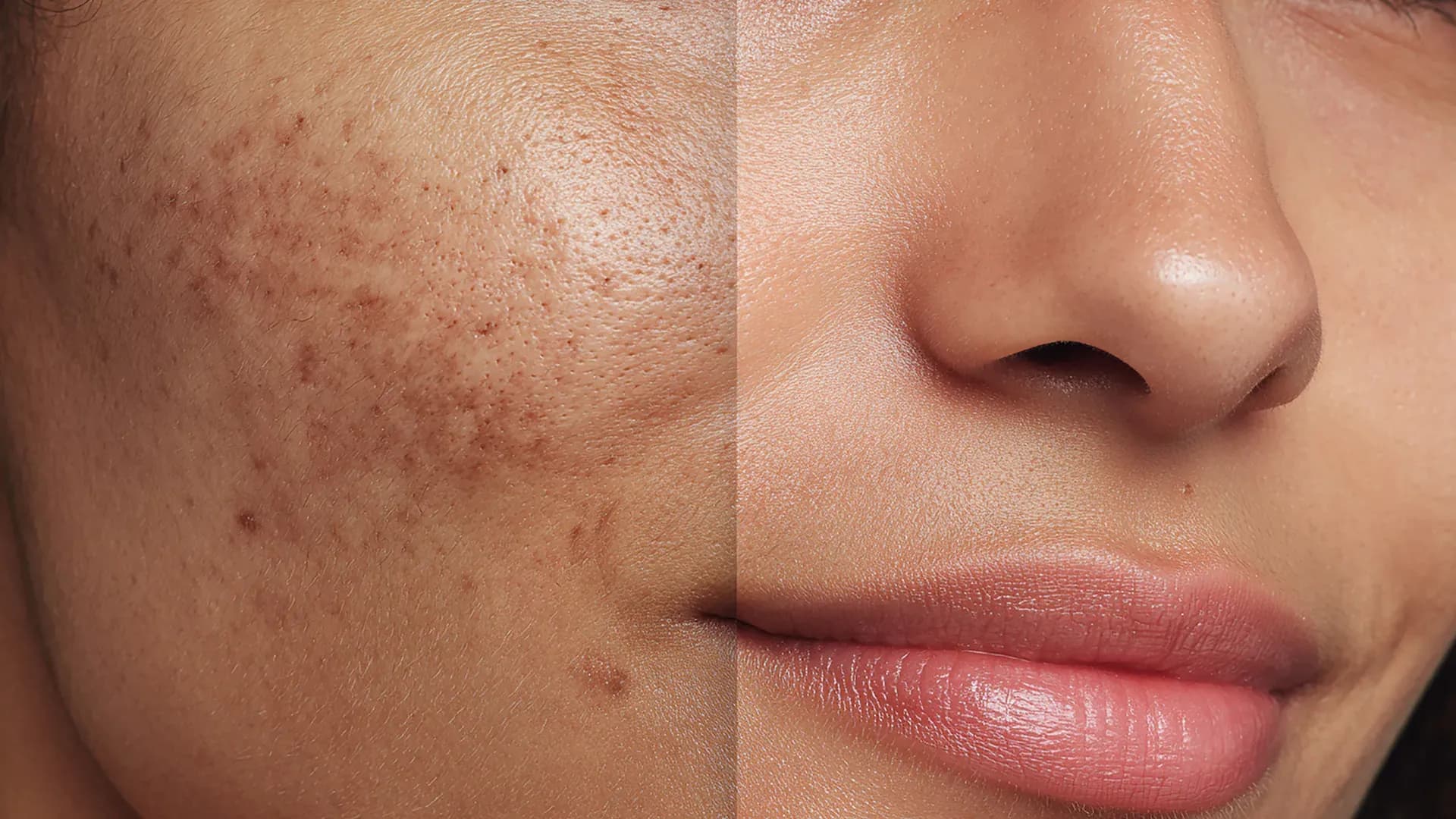
Dark patches on the face and uneven skin tone are common concerns. Spots that won't fade despite months of sunscreen affect millions of people worldwide, and the desire to treat them is legitimate, as visible discoloration affects how people feel about their skin and their confidence.
Dermatologists now offer solutions beyond hoping patches disappear, with today's pigmentation treatment space including laser therapy, chemical protocols, topical compounds. Combination approaches that deliver measurable results, though not all pigmentation is created equal and not all treatments work the same way.
We explore what dermatologists actually recommend when someone presents with uneven skin tone, what science tells us about why these treatments work, and what realistic outcomes look like.
What We Mean by Pigmentation
Pigmentation reflects skin colour determined by melanin, a molecule produced in melanocytes located within the epidermal basal layer. Over time, melanin production frequently becomes uneven. Some areas accumulate excess pigment and create visible dark spots or patches. This uneven distribution termed "pigmentation problems" constitutes a cosmetic concern rooted in biological dysfunction.
The Main Types of Pigmentation Disorders
Pigmentation treatment varies depending on the type of discolouration. Understanding which type you have matters because different treatments work better for different causes.
Pigmentation disorders take several distinct forms:
- Melasma appears as symmetric brown to grey facial patches typically on cheeks, forehead, nose, and upper lip. Women develop it far more frequently, particularly those with darker skin types.
- Post-inflammatory hyperpigmentation (PIH) emerges after inflammatory triggers like acne, eczema, or aggressive procedures. These marks fade gradually though may persist months or years.
- Solar lentigines (age spots) result from cumulative UV-induced melanocyte stimulation over decades, appearing most commonly in mature skin.
- Freckles are genetically determined, most common in fair-skinned, red-haired individuals. Unlike age spots, they fade seasonally and intensify with summer sun.
Why Pigmentation Happens: The Biology Behind the Spots
Understanding the mechanism explains why certain pigmentation treatment approaches work better than others.
Melanin production is regulated by an enzyme called tyrosinase, which becomes active when skin is exposed to UV radiation. Damaged keratinocytes and fibroblasts release inflammatory signals that reach melanocytes and stimulate tyrosinase activity. In people prone to melasma, even modest sun exposure triggers this cascade.
Oestrogen and progesterone amplify tyrosinase activity, explaining melasma prevalence in women taking oral contraceptives or hormone replacement therapy. This means pigmentation treatment in women sometimes requires addressing medications alongside skin-directed approaches.
Genetics also matter significantly. People with darker skin types have higher baseline melanin production and greater susceptibility to post-inflammatory hyperpigmentation. They also have higher risk from aggressive treatments if not carefully calibrated.
How Dermatologists Assess Pigmentation
Before recommending pigmentation treatment, dermatologists obtain detailed histories regarding duration, triggers (sun exposure, acne, procedures), and progression. They then visually inspect pigmentation under varying light and sometimes employ Wood's lamp (ultraviolet light) to distinguish epidermal from dermal localisation. This distinction critically influences pigmentation treatment response, as epidermal pigmentation responds substantially better than dermal pigmentation.
Fitzpatrick scale assessment (I to VI) categorises genetic risk for both pigmentation disorders and treatment complications. Darker skin types carry higher risk for keloids or post-inflammatory hyperpigmentation following laser pigmentation treatment, necessitating protocol customisation.
Laser and Light-Based Therapies: The Workhorses of Pigmentation Treatment
Laser and light-based therapies represent the gold standard pigmentation treatment for most pigmentation disorders. Pigment-specific lasers emit wavelengths that melanin preferentially absorbs, causing photothermal fragmentation. Different wavelengths target different depths. Shorter wavelengths (532 nm) suit superficial epidermal pigmentation whilst longer wavelengths (1,064 nm) penetrate deeper for stubborn dermal lesions.
Q-switched lasers emit energy in very short pulses and are particularly effective. Rapid pulse duration shatters pigment fragments into tiny particles that are easier for the body to clear. Fractional laser technology creates a grid of tiny treatment zones separated by untreated skin, which speeds healing because the untreated zones replenish the treated zones with growth factors.
Results are usually visible within 3 to 6 weeks. Complete fading may take 3 to 6 months as the body continues to clear pigment fragments.
Laser treatment approaches:
- Q-switched lasers for concentrated pigment fragmentation with minimal scarring risk.
- Fractional technology for large areas with reduced downtime.
- Multiple wavelengths combined because pigmentation typically exists at multiple skin depths.
- Spacing treatments 4 to 6 weeks apart to allow healing and clearance between sessions.
Chemical Peels: A Different Approach to Pigmentation Treatment
Chemical peels work via a different mechanism, chemically exfoliating the skin and shedding layers that contain excess melanin. Rather than targeting pigment directly, they blunt the pigmentation problem from the surface down. Superficial peels (usually 20 to 30% glycolic acid) remove just the stratum corneum and upper epidermis. They are gentle and can be repeated regularly.
Medium-depth peels (35 to 50% glycolic acid or 20 to 30% salicylic acid) penetrate deeper and remove more pigment-bearing cells. They cause visible peeling for several days but deliver stronger results. The advantage of peels is that they are versatile and customizable in strength.
The disadvantage is that they require proper aftercare since peeled skin is temporarily compromised. Dermatologists often use peels as a complementary approach alongside laser work, as the peel softens the skin and makes subsequent laser treatments more effective.
Topical Treatments: What Actually Works
The topical pigmentation treatment market is crowded with grand claims. Hydroquinone remains gold standard tyrosinase inhibitor blocking melanin-producing enzyme activity most effectively at 2 to 4% concentration. Results emerge within 4 to 12 weeks. Its primary limitation is addressing only active melanin production whilst leaving existing pigment unaffected.
Tretinoin (vitamin A acid) accelerates epidermal turnover and eliminates pigment-bearing cells more rapidly. Combined hydroquinone and tretinoin pigmentation treatment outperforms monotherapy.
Vitamin C provides weaker tyrosinase inhibition but offers antioxidant UV protection and may prevent new pigmentation development. Kojic acid and azelaic acid inhibit tyrosinase more gently and gradually, proving useful for maintenance and for intolerant patients. Niacinamide provides supportive benefits by strengthening barrier function.
Topical treatments proven effective:
- Hydroquinone 2-4% as gold standard depigmentation agent.
- Tretinoin to accelerate turnover and cell shedding.
- Combination hydroquinone-tretinoin outperforms either alone.
- Vitamin C as supportive antioxidant and preventive measure.
- Azelaic acid for gentle, gradual depigmentation in sensitive patients.
Combination Protocols: Why Pigmentation Treatment Combination Matters
Most effective pigmentation treatment protocols layer approaches strategically. Begin with laser pigmentation treatment spaced 4 to 6 weeks apart whilst simultaneously initiating topical hydroquinone and tretinoin. Continue these for 3 to 6 months post-laser and add monthly superficial peels for sustained momentum.
This multi-modal approach outperforms monotherapy in pigmentation treatment outcomes. Lasers fragment pigment, tretinoin accelerates melanin-bearing cell shedding, hydroquinone suppresses new melanin synthesis, and peels physically remove pigmented cells. Spacing laser sessions gives the skin time to heal and allows the body to clear fragmented pigment before the next session.
Advanced Clinical Options: Exosomal Brightening Protocols
For patients seeking the most advanced pigmentation treatment solutions, select clinics now offer exosomal brightening protocols. These approaches use cell-derived exosomes (tiny lipid vesicles that carry bioactive molecules) to enhance whitening and skin rejuvenation. These systems complement traditional laser and topical approaches by addressing inflammatory pathways and supporting cellular regeneration at the molecular level.
Clinics equipped with advanced exosomal systems can integrate these protocols into comprehensive pigmentation management plans, offering patients an additional refinement tier for stubborn cases.
Setting Realistic Expectations
Pigmentation treatment yields measurable results, though outcomes vary based on multiple biological and clinical factors. Epidermal pigmentation responds favourably with 70 to 90% improvement potential from pigmentation treatment, whereas dermal pigmentation permits only 40 to 60% improvement due to depth-related recalcitrance. Mixed epidermal-dermal pigmentation requires individualized pigmentation treatment assessment as results vary across facial patches.
Darker skin types necessitate lower laser energies and longer inter-pigmentation treatment intervals to minimise post-inflammatory hyperpigmentation risk, sometimes delaying visible improvement. Melasma frequently recurs, requiring ongoing pigmentation treatment management through sustained sun protection and topical maintenance rather than one-time therapeutic resolution.
Age spots and freckles, by contrast, often respond beautifully to pigmentation treatment and remain clear if you maintain sun protection afterwards. The timeline is also important, as full results from a complete pigmentation treatment course typically take 3 to 6 months post-treatment as the skin continues healing and inflammation resolves.
The Prevention Angle: Why It Matters
Prevention economises time and resources through consistent broad-spectrum sunscreen (SPF 30+, correctly applied and reapplied two-hourly). This is the most effective pigmentation treatment available because it forestalls new pigmentation development. Individuals maintaining rigorous sun protection rarely require repeat treatments for sun-induced lesions.
Melasma-prone patients benefit from additional protective measures. These include antioxidant serums (vitamin C) and triggering factor avoidance. Dermatologists increasingly adopt prevention-focused paradigms, recognising that preventing new pigmentation development proves equally or more critical long-term.
Frequently Asked Questions
Laser and light treatments carry minimal risk when performed by trained dermatologists. Temporary redness and mild swelling are common. Darker skin types have a higher risk of post-inflammatory hyperpigmentation, so protocols should be customized. Topical treatments are generally safe, though hydroquinone can cause irritation in some people.
Costs vary widely by geography, provider, and treatment type. Your dermatologist can discuss investment options tailored to your needs and budget. Topical treatments are generally more affordable than professional laser treatments.
Topical products can be used at home, but they are limited in efficacy. Professional laser and light treatments absolutely require clinical settings with proper safety equipment and trained practitioners. Home laser devices lack the power and safety features of clinical systems.
Topical treatments take 4-12 weeks to show meaningful improvement. Laser results become visible within 2-4 weeks and continue improving for 3-6 months. Chemical peels show immediate results (the skin looks visibly lighter) but full benefit emerges over 4-6 weeks.
Hyperpigmentation means excess pigment (what this article discusses). Hypopigmentation means too little pigment, resulting in lighter patches. They're treated very differently.
Hyperpigmentation treatments aim to reduce melanin. Hypopigmentation treatments aim to stimulate it.
Most laser and light treatments are avoided during pregnancy as a precaution, though they're not proven harmful. Topical treatments are also usually paused. Pregnancy hormones can also trigger melasma, so many dermatologists recommend waiting until after delivery to begin treatment.
Most people describe laser treatments as uncomfortable rather than painful. Some describe it as a sensation similar to a rubber band snapping against the skin. Numbing cream can reduce discomfort. Chemical peels cause a warm, slightly stinging sensation during application but aren't painful.
Absolutely, but protocols must be customized. Lower laser energies, longer intervals between treatments, and careful monitoring for post-inflammatory hyperpigmentation are standard precautions. Some laser wavelengths work better for darker skin than others. A dermatologist experienced with treating darker skin types is essential.
Sun-induced pigmentation (age spots, freckles) rarely returns if you maintain sun protection. Melasma frequently recurs because the underlying tendency to develop it persists. Continued sun protection and sometimes topical maintenance prevent recurrence.
Combination approaches tend to work best. Lasers (particularly those targeting deeper wavelengths) paired with topical hydroquinone and tretinoin, followed by maintenance with peels and sunscreen, give the best long-term results.
Usually yes, but some combinations are problematic. Hydroquinone combined with vitamin C can increase efficacy but also increase irritation risk. Tretinoin should not be mixed with vitamin C in the same product (the pH becomes too low). A dermatologist should review your full routine.
A dermatologist using a Wood's lamp can assess this in clinic. Epidermal pigmentation appears darker under the Wood's lamp because the light enhances melanin visibility in the epidermis. Dermal pigmentation doesn't change much appearance under the lamp.
Professional treatments (especially lasers) are substantially more effective for established pigmentation. Over-the-counter products are better at prevention and maintenance. Most people need both for optimal results.
Perfumes, essential oils, and heavy fragranced products can irritate skin and worsen post-inflammatory hyperpigmentation. Ingredients that cause photosensitivity (like bergapten in some natural products) should be avoided if you're getting sun exposure. Otherwise, most ingredients are fine as long as they don't irritate your particular skin.
No. Treated skin is temporarily compromised and vulnerable to sun damage and complications. Most dermatologists recommend avoiding direct sun for at least one week after laser treatment and indefinitely after peels until the skin has fully healed. Strict sunscreen use (SPF 50+) is mandatory during this period.
It absolutely depends on the individual. The best treatment depends on your pigmentation type (epidermal vs dermal vs melasma), your skin type, your pain tolerance, your budget, and your timeline. A dermatologist will customize recommendations based on these factors.