Chemical Peel for Face: Types, Benefits, and Recovery Guide
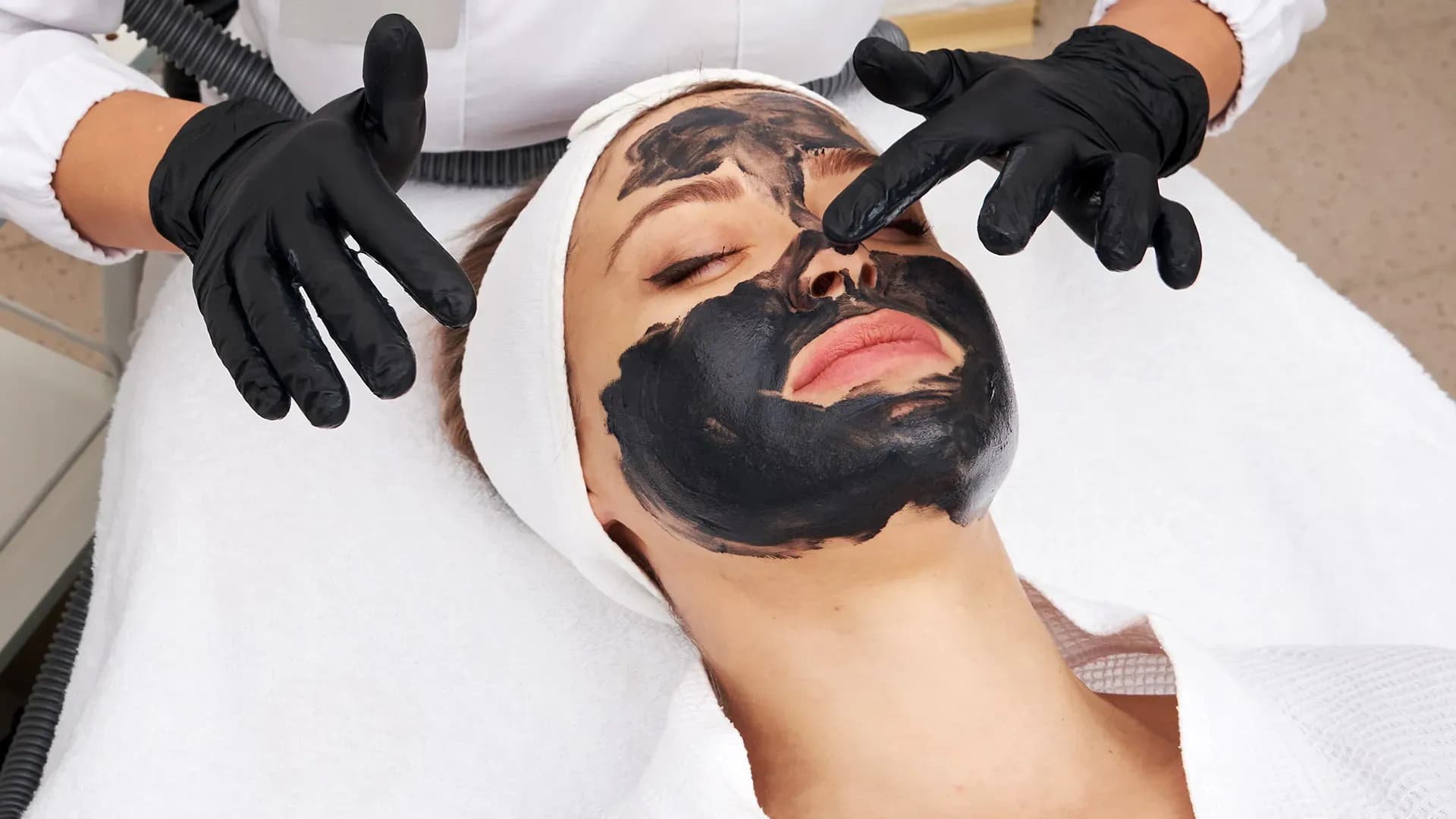
Chemical face peels deliver what months of topical creams promise but rarely achieve. These treatments provide genuinely transformed skin texture, faded age spots, and natural luminosity. The mechanism is straightforward: apply a calibrated chemical solution to the skin and watch the surface dissolve away to reveal fresher layers underneath.
These are precisely formulated acids, peptides, and plant-derived molecules engineered to penetrate to a specific depth. They trigger controlled renewal through medical exfoliation far deeper than physical scrubs. Understanding the available options is the first step toward determining whether one makes sense for your skin.
What Is a Chemical Peel for Face?
Skin constantly sheds dead cells from the stratum corneum, a process normally occurring invisibly. Chemical peel for face treatments accelerate this shedding by chemically disrupting cellular adhesion. Loosened cells flake away over days or weeks to reveal fresher skin layers beneath.
Penetration depth determines chemical peel for face treatment intensity, downtime, and realistic results. Superficial peels remain within the epidermis, medium peels penetrate the collagen-rich dermis, and deep peels reach the deepest dermal structures. Each requires distinct chemical agents and concentrations.
Chemical strength depends on precise pH and concentration calculations. Dermatologists select agents based on skin type, clinical concern, and required penetration depth. Professional administration produces more predictable outcomes than at-home kits because trained practitioners read skin response and time application correctly.
Types of Chemical Peels for Face
Chemical peels are categorised by their depth of penetration and the active ingredients used. Understanding the differences helps you and your dermatologist identify which type of chemical peel for face suits your skin and goals.
Superficial Peels
Superficial chemical peel for face treatments remain epidermally confined and typically employ alpha hydroxy acids (AHAs) or beta hydroxy acids (BHAs). These gentler options suit most skin types and require minimal downtime. They improve skin texture, brighten dull complexion, and address mild acne and early fine lines.
Series of chemical peel for face treatments spaced two to four weeks apart build visible improvements. Application causes brief stinging followed by redness and mild flaking over one to two days. Most resume activities immediately with mandatory sunscreen use.
Medium-Depth Peels
Medium-depth peels penetrate the collagen-rich dermis using trichloroacetic acid (TCA) or milder phenolic solutions. They address deeper lines and persistent acne scars with results substantially more dramatic than superficial options. Skin tone evens noticeably, wrinkles soften meaningfully, and texture improves substantially.
The trade-off is real: expect five to seven days of visible peeling and two to three weeks of residual redness. Application produces a sensation ranging from warm to burning, though topical anaesthetics manage discomfort. Medium-depth peels demand days largely indoors, makeup avoidance, and meticulous sun protection.
Deep Peels
Deep peels using phenol penetrate full dermal thickness, representing the most aggressive option for deep wrinkles and severely photodamaged skin. Results last years and sometimes appear permanent after a single treatment. Deep peels require meticulous patient selection, typically systemic anaesthesia or conscious sedation, and carry genuine medical risks.
Permanent skin lightening occurs, making these irreversible. Most chemical peel candidates actually require medium-depth rather than deep peels. Deep peels remain reserved for severe photodamage or extensive scarring. Their modern rarity reflects how strategic medium and superficial peel protocols achieve impressive cumulative results with substantially lower risk profiles.
Quick Reference: Peel Depths and Expectations
Peel Type | Depth | Expected Downtime |
Superficial | Epidermis only | None to minimal |
Medium | Into dermis | 5-7 days visible peeling |
Deep | Full dermal depth | 2+ weeks visible peeling |
Benefits of Chemical Face Peels
Chemical peel for face treatments deliver promised results and address legitimate skin health concerns, achieving substantial functional improvements.
Key benefits of chemical face peels:
- Improved texture and smoothness through dead cell removal and collagen remodelling.
- Increased brightness and radiance as dull cell layers are removed.
- Fine line and wrinkle improvement through dermal thickening and skin tightening.
- Acne reduction and prevention by clearing congestion and reducing breakouts.
- Hyperpigmentation and age spot fading through melanin targeting and exfoliation.
- Pore appearance improvement as collagen remodelling reduces distension.
- Progressive cumulative benefits with repeated treatments over time.
What to Expect During the Procedure
If you've decided a chemical peel for face treatment makes sense, the procedure unfolds in predictable stages.
The consultation: Before any chemical peel for face treatment is applied, your dermatologist or trained aesthetician will assess your skin type, skin tone, skin concerns, and medical history. Certain medications (like isotretinoin) and skin conditions (like active herpes simplex) contraindicate chemical peels or require modification. They will discuss which peel depth and type suits you.
Preparation: Thorough facial cleansing precedes peel application. Eyes and lips are protected through petroleum jelly or barrier cream. Cold sore-prone patients typically receive prophylactic antivirals.
Application and sensation: Chemical peels are applied via brush, cotton applicator, or gauze, producing warmth, tingling, and variable stinging or burning intensity. Topical anaesthetics or cooling fans manage discomfort during application. Most application sessions last 5 to 20 minutes.
The waiting period: Many chemical peels require set dwell time during which warmth or stinging intensifies. Some produce white "frosting" as a visual working indicator. Clinicians monitor closely and may terminate treatment early if skin reacts excessively.
Neutralisation and removal: Upon time completion, peels are neutralised or rinsed with water. Soothing serums or masks may be applied prior to discharge with detailed aftercare instructions. Subsequent peeling reflects successful treatment, not complications.
Recovery From Chemical Face Peeling
The recovery timeline depends on peel depth, but all chemical peels follow a similar pattern.
Days one and two: Redness dominates, resembling mild sunburn or more intense redness with medium peels. Periocular swelling is possible. Avoid touching your face despite the urge to manually remove loosened skin, as natural shedding proves superior.
Days three to seven: Visible peeling accelerates with sheeted or patchy skin shedding. Resist exfoliation urges, as manual skin removal produces erythema or scarring whilst natural shedding avoids complications.
Week two onwards: Most visible peeling resolves by the second week with redness fading (though lingering several weeks in medium peel cases). New, smoother, brighter skin emerges.
Sun sensitivity: Post-peel skin remains UV-vulnerable due to new cells' reduced melanin content. SPF 30+ sunscreen is essential for minimum two weeks. Omission risks undoing benefits and triggering post-inflammatory hyperpigmentation.
Skincare during healing: Dermatologists recommend simplified routines with gentle cleansers, hydrating moisturisers, sunscreen. Active ingredients should be avoided as controlled inflammation responds poorly to supplemental irritants.
When to resume normal activities: Superficial peels permit return to routine within one to two days. Medium peels require 5 to 7 days of reduced activity. Deep peels demand 2 to 3 weeks genuine downtime.
Exercise, saunas, and swimming should be avoided during active peeling as sweat and chlorine irritate healing skin.
Side Effects of Chemical Peeling on Face
Chemical peels are generally safe when performed by qualified professionals on appropriate candidates.
Expected and temporary side effects:
- Redness and sensitivity are normal and fade with time.
- Mild swelling, particularly around the eyes, is common.
- Temporary acne breakouts from the healing process usually resolve within a week or two.
Other potential side effects:
- Post-inflammatory hyperpigmentation, particularly in darker skin tones, can persist weeks to months but resolves with rigorous sun protection.
- Infection remains rare with proper aftercare, though barrier disruption enables risk.
- Scarring occurs rarely with proper technique and aftercare.
- Allergic reactions are uncommon, though patch testing identifies sensitivities.
Special considerations include pregnant individuals (who typically postpone elective peels), those with active cold sores or eczema, and those with darker skin tones or keloid history. These require thorough dermatologist discussion before proceeding.
Before and After: Setting Realistic Expectations
Chemical peels cannot arrest time or erase all wrinkles. Completely line-free faces actually appear unnatural. Instead, peels partially reset the clock by addressing photodamage and improving texture and tone. Visible improvement unfolds over weeks to months rather than overnight.
Single medium-depth treatments provide noticeable improvement that gradually diminishes without maintenance. Serial annual treatments or lighter peel series every several months preserve results. Peels function optimally as ongoing skincare strategy components rather than definitive one-time treatments. Before-and-after photographs obtained in consistent lighting reveal genuine changes.
Choosing the Right Chemical Peel for Face
Matching your skin, concerns, and expectations to the right chemical peel requires honest assessment and professional guidance.
Skin type and tone considerations: All skin types can be treated safely with the right approach. Darker skin tones require more caution with certain peel agents and concentrations due to higher risk for post-inflammatory hyperpigmentation. Your dermatologist should discuss this openly and be prepared to modify the peel protocol if needed.
Concern priority: Dullness and mild texture typically require superficial peels. Significant wrinkles or deeper scars typically require medium peels or series of deeper superficial treatments. Extensive sun damage suggests a medium treatment as the starting point.
Realistic timeline: Consider your downtime tolerance. Superficial treatments allow immediate return to normal life whilst medium peels require real time away from activities. If you cannot tolerate a week of visible peeling, a series of lighter treatments over several months may suit you better.
Professional guidance: Clinical peels are stronger, more accurately applied, and backed by expertise. A dermatologist will assess your skin in person and recommend what actually makes sense for you.
Frequently Asked Questions
Superficial peels can be repeated every 2-4 weeks. Medium peels are typically spaced 3-6 months apart, with most people doing 1-2 per year. Deep peels are usually a one-time or very occasional treatment. Your dermatologist will create a schedule based on your skin's response and your goals.
Many people experience a temporary increase in breakouts after a peel (triggered by the healing process and increased cell turnover), which usually settles within a week or two. If breakouts persist beyond that, discuss it with your dermatologist, as it may indicate a need for different post-peel skincare.
No, these should be avoided during the active healing phase, typically for one to two weeks. Your skin is already in controlled inflammation, and additional actives can cause irritation. Return to these ingredients gradually once peeling has fully stopped and redness has faded significantly.
Microdermabrasion is physical exfoliation using tiny crystals or a rough surface to slough away dead skin, affecting only the outermost layer. Chemical peels use acids or other chemicals to dissolve the bonds between skin cells, allowing deeper penetration. Chemical peels generally achieve deeper results though with more downtime.
Yes, temporarily. Your skin barrier has been disrupted and is rebuilding itself. The tightness and dryness usually improve within a few days to a week with consistent moisturising. If they persist beyond two weeks, discuss it with your dermatologist.
Generally, no. Tretinoin increases skin sensitivity and the risk of adverse reactions to peels. Most dermatologists recommend stopping tretinoin for at least a week before a peel and waiting several days to a week after before resuming. Always discuss this with the dermatologist who prescribed the tretinoin.
Professional peels use higher concentrations of active ingredients and are applied with clinical expertise. They penetrate deeper and produce more dramatic results. At-home peels are gentler, lower-concentration products designed for safety and convenience, but the results are correspondingly modest. Both have a place, but they're not equivalent.
Some types of peels, particularly those containing hydroquinone and other depigmenting agents, can help fade melasma. Results are variable and often temporary without maintenance. Melasma is notoriously stubborn, so peels are usually part of a multi-pronged approach rather than a standalone treatment.
Prices vary widely by location, peel depth, and practitioner credentials. Always request a quote from your chosen practitioner based on your specific needs and the depth of peel recommended.
Most dermatologists recommend avoiding makeup until peeling has largely stopped, typically day 4-7 depending on peel depth. Once peeling has stopped, makeup is generally fine. Some recommend waiting until redness has faded to avoid trapping moisture. Always ask your practitioner for their specific recommendation.
Yes, but you'll likely benefit from a gentler peel type, lower concentrations, and potentially more spaced-out treatments. Superficial peels with AHAs or BHAs are often well-tolerated.
A patch test before the full peel is a smart precaution. Your dermatologist can advise based on what triggers your sensitivity.
Post-inflammatory hyperpigmentation is the most common reason. The peeling process triggers inflammation, and in response, your skin can produce extra melanin. This is temporary and will fade with time and rigorous sun protection. If darkening doesn't fade within a few weeks, discuss it with your dermatologist.
Deeper acne scars often require multiple treatments or a combination approach. Superficial peels have limited effect on deep scars. Medium peels improve them by stimulating collagen remodelling and can be repeated over time.
Very deep or severe scars may require other treatments like subcision or filler in combination with peels. A dermatologist can assess your specific scars and recommend the best approach.
No strict age limit exists. Teenagers with acne can benefit from peels. Older individuals can tolerate them well if they're in good general health.
What matters is skin assessment and realistic expectations, not age. Some very elderly individuals or those with certain medical conditions may need to avoid peels, but this is determined individually.
Results from superficial peels typically last several weeks to a few months, which is why they're often repeated in series. Medium peels produce results lasting three to six months or longer, particularly with good sun protection and skincare. Deep peels can produce results lasting years, though the skin continues to age naturally. Maintenance treatments extend results.