Synthetic Exosomes in Aesthetic Medicine: A Practitioner's Guide
Oct 22, 2026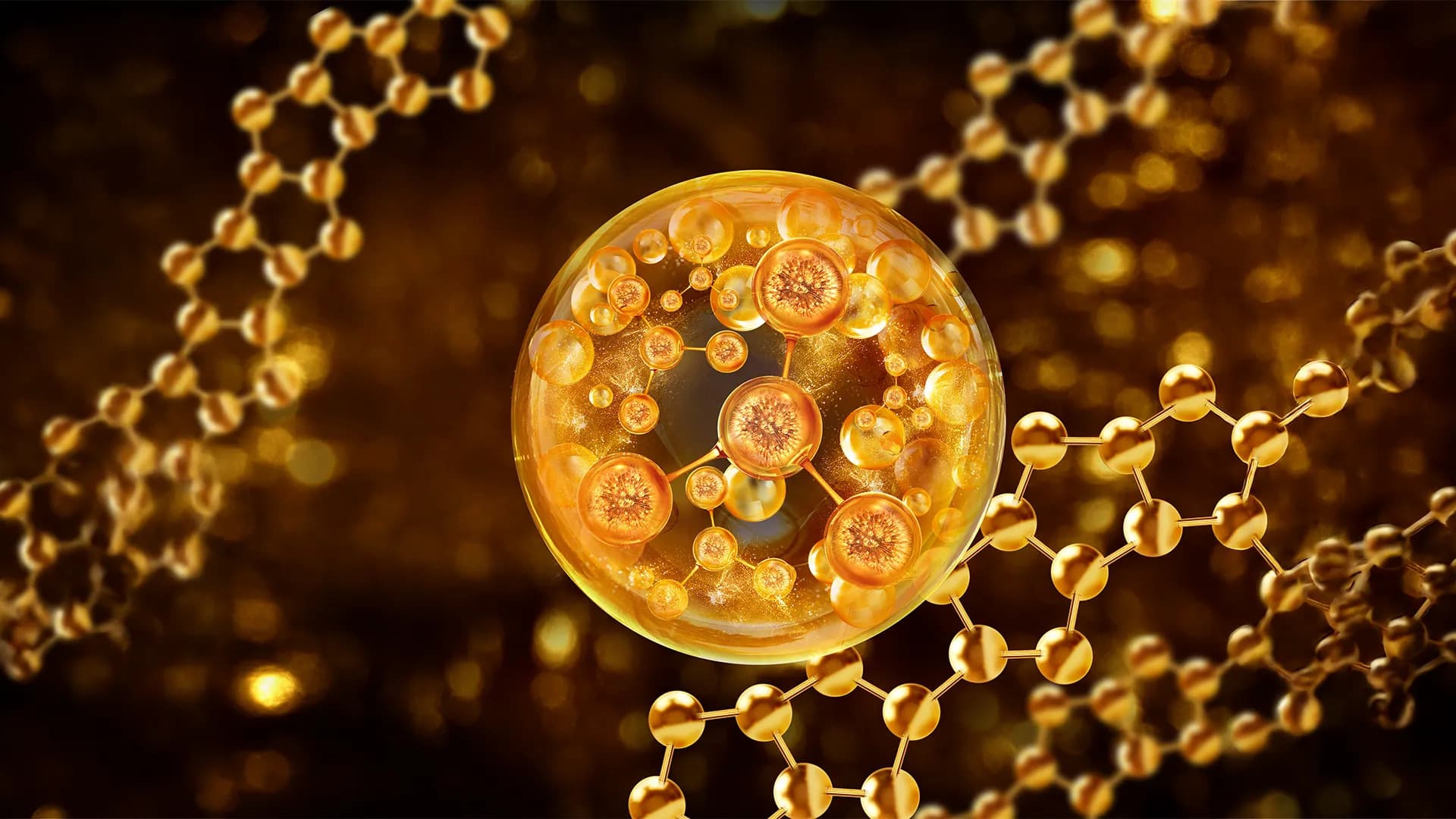
Breakthroughs in particle size and standardisation have transformed synthetic exosomal delivery from incremental gains to mainstream aesthetic practice. Many practitioners still treat them as a black box, which is frustrating because the science is genuinely elegant and the clinical outcomes are reproducible. This guide offers clarity on mechanism, protocol, and clinical outcomes so you can deploy synthetic exosomes with real confidence.
What Synthetic Exosomes Actually Are
An exosome is a lipid bilayer nanovesicle, roughly 100 nanometres in diameter, functioning as a cellular postal service for exchanging proteins, lipids, nucleic acids, and peptides between cells. The relevant question for practitioners is whether exosomes from stem cells or synthetic sources can deliver aesthetic benefit reliably.
Biological exosomes sourced from cultured adipose-derived stem cells offer potency but carry significant limitations:
- Batch variance of 20 to 40% between runs
- Particle size drift
- Fluctuating cargo concentration
- Inherent immunogenic risk from cellular remnants
Synthetic exosomes are engineered lipid bilayers with defined cargo loaded in GMP-controlled processes. They maintain steady particle size at 100 nanometres, lock cargo concentration at 1 billion particles per millilitre, and achieve sub-5% batch-to-batch variance. This eliminates disease transmission and immune response risk.
The clinical advantage is straightforward: synthetic exosomal therapy lets you promise repeatable results to patients because the product itself is repeatable every time.
The Exosome as a Delivery Vehicle
Exosomes penetrate cell membranes through endocytosis with remarkable effectiveness, an advantage other carriers lack. A 100-nanometre particle crosses the stratum corneum whilst remaining large enough to carry meaningful cargo (PDRN, peptides, growth factors). The lipid bilayer protects actives until cell entry, then releases them directly into the cytoplasm where signalling cascades begin.
This is intracellular delivery rather than topical surface saturation, which explains why synthetic exosomal therapy produces deeper tissue effects than standard serums.
PDRN: The Fibroblast Accelerator
Polydeoxyribonucleotides (PDRN) are chains of 50 to 500 deoxynucleotides, originally sourced from salmon DNA and now available synthetically. When PDRN enters a fibroblast, it binds adenosine receptors (A2A and A2B subtypes), triggering an intracellular cascade of cAMP elevation followed by fibroblast proliferation and collagen upregulation.
Within six hours of PDRN exposure, fibroblasts increase FGF and HGF production. Pro-collagen synthesis climbs 2 to 4 fold by 24 hours with clinical improvements emerging across two to eight weeks. Synthetic exosomal therapy carrying PDRN initiates progressive biological remodelling rather than instant results, with patients observing initial improvement within four to six weeks and maximal remodelling across two to three months.
Recommended protocol:
- Space sessions 14 days apart to enable proliferation completion
- Conduct 4 to 6 sessions for optimal density
- Anti-inflammatory effects dampen TNF-α and IL-6
This makes synthetic exosomal therapy particularly valuable in post-procedure recovery. After a laser treatment or chemical peel, PDRN-containing synthetic exosomes accelerate the transition from inflammatory to remodelling phases, reducing downtime and visible erythema.
Biomimetic Peptides: The Signalling Agents
Biomimetic peptides function as biochemical instructions, short amino acid chains engineered to mimic growth factors, structural proteins, or neurotransmitters that skin cells already recognise. Hexapeptide-8 mimics laminin-5, a basement membrane protein that yields measurable elasticity gains within 12 weeks. Copper peptides cross-link collagen molecularly, increasing structural integrity and firmness. GABA-based peptides bind GABA receptors to reduce muscle contraction through the same biochemistry as botulinum toxin (topical rather than mechanical).
PDRN and peptides combined create a reinforcing effect:
- PDRN stimulates fibroblast proliferation
- Peptides signal specific remodelling pathways
- Together they generate rapid growth signal amplification followed by targeted structural strengthening
Protocol design in synthetic exosomal therapy matters profoundly. When actives are poorly combined, their effects diminish. When actives are sequenced thoughtfully, their effects compound together, transforming outcomes from "nice" into "significant."
Exovea Product Applications via Synthetic Exosomes
ExoSignal Hair addresses androgenetic alopecia by PDRN activation of Wnt/beta-catenin signalling in dermal papilla fibroblasts (directly counteracting DHT effects) plus eight biomimetic peptides and apple stem cell growth factors. Protocol: 1.5 to 2 ml per zone, fortnightly, 4 to 6 sessions, yielding 15 to 30% hair density increase by session 6 and reduced shedding by week 4.
V-Tech System is a core skin rejuvenation platform combining serum (PDRN 2% plus peptides) with exosomal mask (sustained release, 20 to 30 minutes) that triggers a collagen cascade over time. Synthetic exosomal therapy ensures cAMP elevation at 6 hours, with 2 to 4x pro-collagen synthesis increase by 24 hours. Elasticity improvement and fine-line softening appear by week 2. It combines effectively with radiofrequency or laser treatments and accelerates healing significantly.
Exo V Slim targets localised fat via metabolic shock, combining Slim-Size peptides (lipolytic) with Lipo-Break (adenosine amplifiers) to trigger beta3-adrenergic mimicry and hormone-sensitive lipase activation in adipocytes. Protocol: 1.5 to 2 ml per zone, fortnightly, 4 to 6 sessions, delivering 1 to 2 centimetre circumference reduction per zone over the course.
V Carbon System combines activated charcoal (cosmetic brightening and oxidative byproduct absorption) with Gabellina (GABA-based synthetic exosomal peptides), applied 24 to 48 hours post-peel or post-laser or post-microneedling. It delivers immediate cosmetic results with sustained muscular relaxation over 2 to 3 weeks.
ZK Face (triphasic peel) combines MCA plus succinic acid (Phase 1), ferulic plus salicylic (Phase 2), and HA plus niacinamide plus plant stem cells (Phase 3). It delivers TCA-strength results with 4 to 5 day downtime versus 7 to 10 for traditional TCA peels. It remains safe for darker skin and is repeatable every 4 weeks.
ExoCell Mask (biocellulose plus hyaluronic acid plus polynucleotides plus Hexapeptide-8) applies immediately post-procedure for 15 to 20 minutes, reducing transepidermal water loss by 50 to 70% during the critical inflammatory window. ExoTech Gel (colloidal gold plus peptides plus polynucleotides) is for daily neck, décolletage, and hand use, providing immediate cosmetic lift with cumulative collagen deposition over 8 to 12 weeks.
Why Synthetic Exosomes Matter Now
Synthetic exosomes outperform stem cell-derived formulations in cost (lower manufacturing), batch consistency (less than 5% variance versus 20 to 40%), and regulatory clarity. Exosomal aesthetics matured between 2018 and 2023, creating an ideal positioning window for practitioners seeking evidence-backed differentiation combined with proven clinical results.
The next 18 months represent the practitioner adoption peak before synthetic exosomes become commoditised.
Protocol Design for Synthetic Exosomes
Standard synthetic exosomal therapy architecture follows these phases:
- Induction phase (weekly to fortnightly, 4 to 6 weeks)
- Remodelling phase (fortnightly, 4 to 8 weeks)
- Maintenance phase (monthly to quarterly)
Results appear within 4 to 8 weeks and reach maximum by 12 to 16 weeks. Measurement via durometry (elasticity), conductivity (hydration), and phototrichography (hair density) occurs at baseline, week 4, week 8, and week 12. Combination protocols with laser accelerate repair, radiofrequency enhances elasticity gains, and chemical peel reduces erythema whilst speeding barrier recovery.
Safety Profile of Synthetic Exosomes
Synthetic exosomes are well-tolerated across all tested populations with rare serious events comparable to or lower than lasers or peels. Occasional contact dermatitis, transient erythema, or mild itching may occur.
Defer synthetic exosomal therapy if:
- The barrier is severely compromised
- Active HSV infection is present
- The patient is on isotretinoin
There is no systemic absorption, no immune response, and no disease transmission risk because the product is synthetic and non-biological.
Adopting Synthetic Exosomes Into Practice
Synthetic exosomes integrate naturally into existing practices without equipment or facility upgrades. Staff training requirements are minimal because application is topical and straightforward. Storage is uncomplicated at cool temperatures with a 24-month shelf life.
Synthetic exosomal therapy protocols enable frequent patient visits and sustainable practice revenue with low procedural risk and high patient satisfaction.
Synthetic versus Stem Cell Complexity
Stem cell exosomes contain hundreds of proteins (biological noise that does not translate to better outcomes), whilst synthetic exosomes contain defined cargo orchestrated for specific effects. They are clinically equivalent for aesthetic indications.
The advantage of synthetic exosomal therapy lies in known payload, enabling clear outcome troubleshooting and confident scaling by trading complexity for predictability and regulatory clarity.
Frequently Asked Questions
In aesthetic indications, the evidence is equivalent. Stem cell exosomes have higher intrinsic variability. Synthetic exosomes deliver defined mechanisms. Choose the one you trust most.
Initial visible improvement appears in 4 to 6 weeks, with maximal remodelling by 12 to 16 weeks. This is slower than injectables but justified by the durability and cumulative effect.
Yes. Apply exosomes within 24 to 48 hours of the other modality, as growth factor signalling accelerates tissue repair and reduces downtime.
During induction, administer every 7 to 14 days for 4 to 6 weeks, then switch to maintenance every month for 6 months, followed by quarterly sessions.
No specific contraindications exist. Retinoids and exosomes are complementary (both promote collagen), and Vitamin C with exosomes work well together.
Use the product cost as 20% of your session fee. Adjust your pricing based on local market conditions.
Yes, but strategically. V-Tech plus V Carbon (serum plus charcoal film) makes sense. V-Tech plus ExoSignal Hair in the same session is redundant. Plan the sequence.
Once a vial is opened, use within 4 hours. Exosomal potency degrades with light and air exposure. Most practitioners use full vials per session, so the four-hour window rarely poses a constraint.
Standard post-procedure sun protection applies: SPF 50+, strict avoidance of direct sunlight for 48 hours. Exosomal therapy itself doesn't increase photosensitivity.
Yes, particularly for newer scars (within 2 years). PDRN and peptides prevent fibroblast overproliferation and support remodelling toward normal texture. Severe atrophic scars may need combined therapy (exosomes plus microneedling or radiofrequency).
Yes. Synthetic exosomes have a gentler inflammatory profile than chemical peels or ablative lasers. Start with lower-frequency sessions (14-day intervals) if the patient reports sensitivity.
Defer treatment until acne is controlled. Post-inflammatory hyperpigmentation from acne still responds well to exosomal therapy as PDRN and peptides accelerate barrier repair and reduce lingering erythema.
Show patients a comparison graphic contrasting laser results (immediate but risk-prone), injectable results (instant but temporary), and exosomal results (gradual but sustainable). Position it as the slow-gain option for serious practitioners.
The Journal of Cosmetic Dermatology and Dermatologic Surgery have published 15+ trials since 2021 on synthetic exosomal delivery in aesthetics. The evidence is strongest for PDRN and peptides combined.
First, verify compliance (are they actually coming every 14 days, or stretching intervals?). Second, assess expectations (did they understand the timeline?). Third, consider combination therapy by adding RF or microneedling to amplify the exosomal effect. Rarely should you offer refunds.
Synthetic exosomes represent the present with mainstream adoption accelerating on solid clinical evidence. Benefits include standardised cargo, predictable outcomes, genuine collagen remodelling, and minimal adverse effects across all skin types. Practitioners integrating synthetic exosomal therapy now build expertise and differentiate through evidence-backed results.
Start with one product (V-Tech System is the most versatile entry point), establish protocol discipline, track outcomes consistently, and set clear patient timelines around 12 to 16 weeks. Expand to complementary synthetic exosomal products as confidence and clinical data accumulate.