Hair Loss Treatment at Home: What Science Says Works
Oct 2, 2026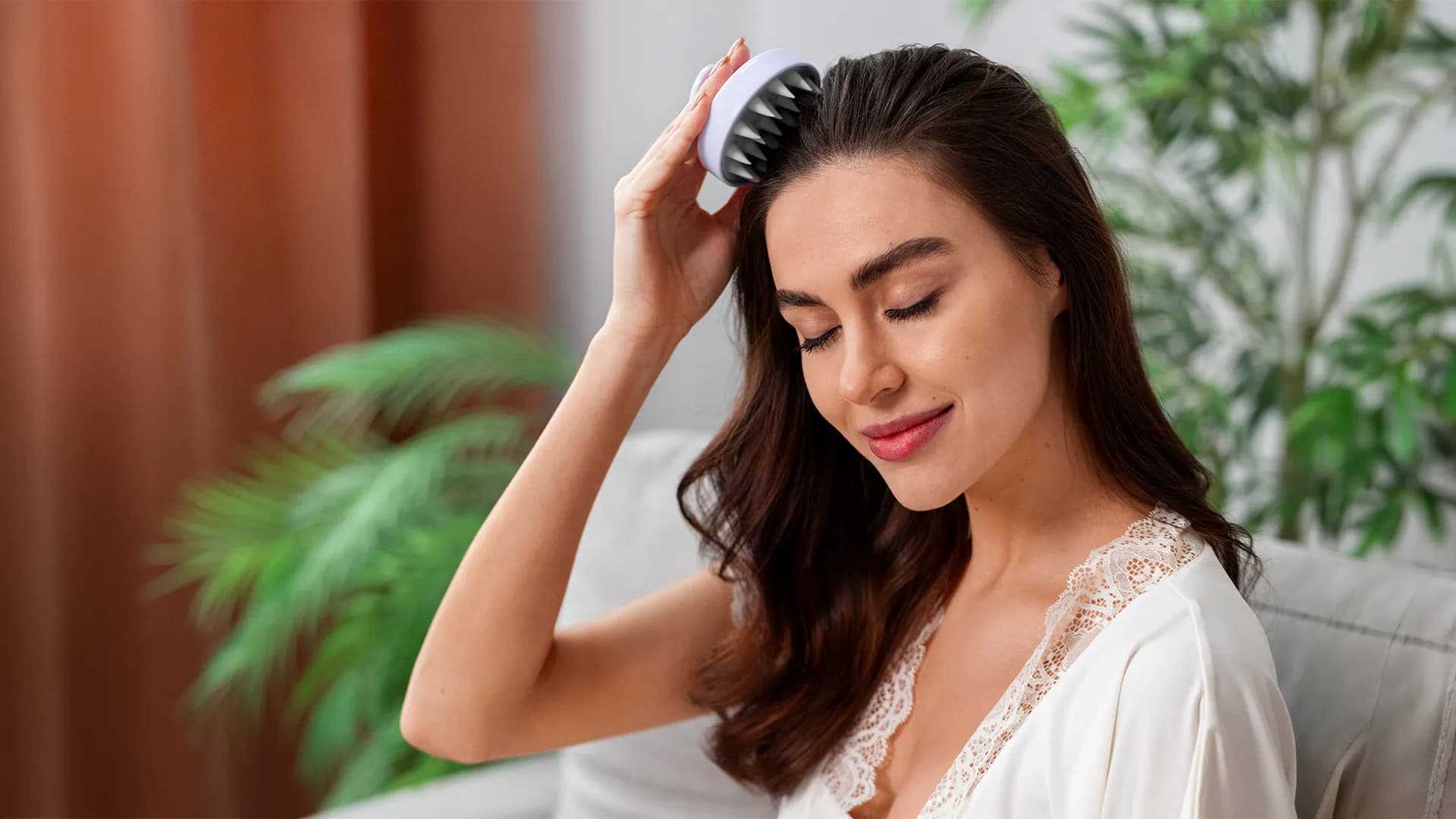
Hair loss treatment at home has no miracle cure living on your shelf waiting to be discovered. What actually works is unglamorous and repetitive and scientifically sound, shaping everything we know about stopping hair loss effectively.
Hair loss treatment at home works best when you understand what science actually supports, what realistic timelines genuinely are, and when professional help becomes necessary. This means moving beyond marketing claims to evidence-backed approaches.
Two medications have strong, decades-long clinical evidence for halting or reversing hair loss reliably. Everything else either supports these treatments or sits on shakier scientific ground. This distinction separates those who see results from those who abandon treatment early.
The Two Treatments That Actually Work
Minoxidil is the only over-the-counter topical medication FDA-approved for hair loss treatment at home. It opens blood vessels in your scalp progressively, improving blood supply and prolonging the growth phase. Meta-analyses show 5% minoxidil increases hair count by 12 to 18% after six months consistently.
Applied twice daily indefinitely, minoxidil produces stabilisation by month three, with actual regrowth and visible thickening taking four to six months. Full benefit emerges at nine to twelve months. Results gradually reverse upon stopping because it controls a biological process rather than curing the underlying condition.
Finasteride is an oral medication that blocks testosterone conversion to DHT, a hormone that shrinks follicles in genetically susceptible men. It stops or slows loss in roughly 90% of men, with about two-thirds regrowing some hair. Clinical effectiveness exceeds minoxidil alone, though finasteride remains prescription-only and requires ongoing doctor monitoring.
Timeline is similar (three to six months to meaningful change, with optimal results by twelve months). Like minoxidil, stopping finasteride reverses your gains completely.
Combination approach produces markedly superior results. Recent clinical trials show 92% of men achieved stable or improved growth, with more than half showing genuine marked improvements. The two drugs address hair loss through different biological pathways entirely, stopping damage whilst simultaneously enhancing growth.
Scalp Health: The Foundation Most People Miss
A healthy scalp is literally where hair grows, and poor scalp condition creates inflammation and oxidative stress that undermine even the finest medications. Focus on proper basic care rather than drugs alone.
Foundational scalp care protocol:
- Use a gentle shampoo that doesn't strip protective natural oils
- Use a moisturising conditioner that actually supports scalp health
- Look for sulphate-free formulations
- Choose shampoos containing zinc pyrithione or other anti-fungal agents (Malassezia, a naturally occurring scalp fungus, accelerates hair loss significantly)
- Apply scalp serums targeted at reducing inflammation as part of your foundational protocol
The best hair loss treatment at home is the one you'll actually use every single day for the next six months, so consistency matters infinitely more than brand choice.
When Minoxidil or Finasteride Alone Isn't Enough
Some people see genuine results, some plateau at a certain point, and some never respond adequately, reflecting the genetic complexity of hair loss. Several factors can undermine topical treatment:
- Advanced androgenetic alopecia with miniaturised follicles may not respond to medication alone
- Poor scalp health undermines treatment effectiveness
- Non-adherence kills results completely
- Systemic factors like thyroid dysfunction, iron deficiency, or hormonal imbalances can overwhelm topical treatment
Recognising these barriers clearly is the first step toward addressing them properly. Professional intervention enters the conversation productively at this point. Platelet-rich plasma injections, mesotherapy with nutrient-rich compounds, and emerging exosome therapies represent the next tier of hair loss treatment for people who have tried foundational therapies and want to amplify results. These are not home treatments and require a professional to administer them.
What Works at Home Versus What Doesn't
Evidence-supported at-home options:
- Laser caps: Show some genuine promise through red and near-infrared light stimulating cellular energy in follicles and extending the growth phase. A 2023 systematic review found an 18% increase in hair density with consistent use, though results are slower than minoxidil. Function as adjuncts rather than replacements.
- Peptide-based topicals: Emerging with interesting early science. Copper tripeptide-1 and similar compounds potentially stimulate follicle function and improve microcirculation. Function as enhancement rather than foundation, working best alongside proven treatments.
- Oral supplements: Biotin, saw palmetto, caffeine-based formulations, and rosemary oil populate the market aggressively. Biotin helps if you are deficient, and rosemary oil shows modest results in limited studies. These are tertiary interventions best added to minoxidil and finasteride alongside scalp care rather than standalone solutions.
These options function as optional complements rather than essential components.
Timeline and Patience as Strategy
Most people fail at hair loss treatment at home because they misjudge the actual timeline completely. Increased shedding in weeks one and two indicates normal hair cycling and that treatment is functioning exactly as intended.
Hair loss treatment timeline:
- Months one to two: Increased shedding as treatment initiates new hair cycles. Patience required.
- Month three: Stabilisation arrives. Shedding slows noticeably and hairs feel slightly thicker.
- Month six: Others might notice improvement in you.
- Month nine: Meaningful improvement becomes obvious visibly.
- Month twelve: Results reveal what your foundational regimen will deliver long-term.
Many people abandon treatment at month two or three, right before results prove the regimen's genuine worth. Patience is a legitimate clinical requirement in hair loss treatment.
When to Consider Professional Exosome Therapy
If you've followed a solid hair loss treatment at home regimen for six months and plateaued, or if hair loss was already advanced when you started, talk with a dermatologist about escalation options.
Exosome therapy represents a different biological mechanism entirely, using naturally occurring cellular packages containing growth factors, proteins, and signalling molecules that are injected directly into the scalp. They trigger regeneration by communicating with follicles at the cellular level and improving the scalp microenvironment in ways topicals cannot reach.
ExoSignal Hair combines synthetic exosomes with eight biomimetic peptides, apple stem cells, panthenol, glutathione, and biotin designed to work together. The protocol involves four to six sessions spaced two weeks apart, with maintenance every two months afterward. This is a professional procedure requiring a trained practitioner.
For people who have maxed out at-home treatment or face extensive hair loss, exosome therapy offers a scientifically grounded next step. This is an escalation option rather than a starting point.
The Regimen That Works
An effective hair loss treatment at home involves several integrated steps working together.
Comprehensive at-home protocol:
- Start with minoxidil 5% applied to the scalp twice daily
- Consult your doctor about finasteride if you're a man experiencing male pattern baldness
- Maintain a consistent scalp care routine with gentle shampoo, anti-fungal agents, moisturising conditioner, and lightweight scalp serum
- Add biotin and a hair-focused multivitamin with iron and zinc if deficiency is present
- Consider red light therapy as an adjunct rather than replacement
- Set realistic expectations for six to twelve months
Adherence is crucial because one missed dose per week reduces efficacy measurably. In month four, reassess your tolerance and side effects. In month eight, you have legitimate data showing stable shedding and perhaps some regrowth. This counts as success even if less dramatic than online marketing implies. By month twelve, you know what your regimen will deliver long-term.
Long-Term Success and Results Timeline
The most successful hair loss treatment at home follows a clear progression.
Phases of success:
- Months one to three: Establish tolerance and allow your body to adjust to medication schedule. Focus on consistency. Missing doses creates gaps that compound dangerously over time. By month three, you should feel confident in your scalp tolerance and whether finasteride suits you.
- Months four to six: This is the turning point where stabilisation becomes genuinely apparent. Shedding slows from your baseline and hair feels slightly thicker. These early wins provide motivation to continue through the longer timeline ahead.
- Months seven to twelve: Shift focus toward results maintenance as your regimen becomes truly habitual. Hair regrowth becomes more noticeable, texture improves measurably, and friends comment that you look healthier.
Hair loss treatment at home genuinely works when approached with realistic expectations and real commitment. Minoxidil and finasteride are science-backed whilst timelines span months rather than weeks. Consistency trumps product choice entirely. Treat your regimen like a non-negotiable habit with the same adherence required for managing blood pressure or cholesterol levels.
Frequently Asked Questions
Stabilisation typically arrives by month three. Visible regrowth takes four to six months. Optimal results emerge at nine to twelve months. Timeline expectations strongly predict whether someone continues treatment or abandons it.
Yes. Clinical evidence shows the combination is safe and more effective than either drug alone. About 92% of men achieve stable or improved outcomes with both medications combined.
Results gradually reverse. Hair that regrew will fall out again within several months. Any stabilisation you achieved will decline.
No. Minoxidil 5% is available over-the-counter in multiple generic versions. Finasteride is prescription-only and requires consultation with a doctor.
Minoxidil is FDA-approved for female pattern hair loss, though the evidence base is considerably smaller. The standard dosing for women is 2%, applied twice daily. It's generally safe and well-tolerated, though efficacy is somewhat lower than in men.
Finasteride is primarily studied and used in men. It's not recommended for premenopausal women and is strictly contraindicated in pregnancy due to potential effects on male fetal development. Postmenopausal women may use it under medical supervision, though evidence remains limited.
The most commonly reported side effect is sexual dysfunction, occurring in 1 to 2% of men. Gynecomastia (breast tissue enlargement) is rare. Most men tolerate it without any side effects. Any concerns should be discussed with your doctor.
Rosemary oil has limited data showing modest benefits roughly comparable to weak minoxidil. Caffeine, biotin, and saw palmetto are discussed frequently, but their evidence is weaker. Natural doesn't mean equivalent in efficacy at all. The two FDA-approved treatments remain the gold standard for hair loss treatment at home.
Gentle scalp massage may improve blood flow and reduce tension, which supports overall scalp health. Massage works best as a complement to primary treatments rather than a standalone approach.
Severe stress can trigger telogen effluvium, a type of hair loss where more hairs enter the shedding phase simultaneously. This is often temporary and improves when stress subsides. Chronic stress may worsen androgenetic alopecia, though stress management alone won't stop genetic hair loss. Both stress reduction and medical treatment may be necessary.
The active ingredient is chemically identical. The foam applies more cleanly and dries quickly, making it less messy. The liquid is less expensive.
Some people find one less irritating than the other. Efficacy is equivalent between formulations.
Minoxidil and finasteride are quite cost-effective. Laser caps are more expensive upfront. Supplements vary widely in price.
Scalp care products are typically inexpensive. The foundational regimen is affordable. Adding extras scales the cost upward.
Minoxidil pushes hair into new growth cycles. Old hair sheds to make room for new growth. This increased shedding is a sign the treatment is working and resolves within one to two months, followed by regrowth. Stopping treatment at this stage is the most common reason people miss the benefits.
Minoxidil and finasteride can deliver results even with imperfect scalp care, but you're leaving efficacy on the table. A healthy scalp removes inflammation as a barrier to follicle function. Optimal results require both the medication and foundational care.
When you've followed a solid hair loss treatment at home regimen for six months and plateaued, or if your hair loss was advanced initially, professional intervention becomes sensible. Exosome therapy is designed as a next step, not a starting point. Discuss options with a dermatologist.