Carbon Peel Protocols: Gabellina Technology and Treatment Customisation
Oct 15, 2026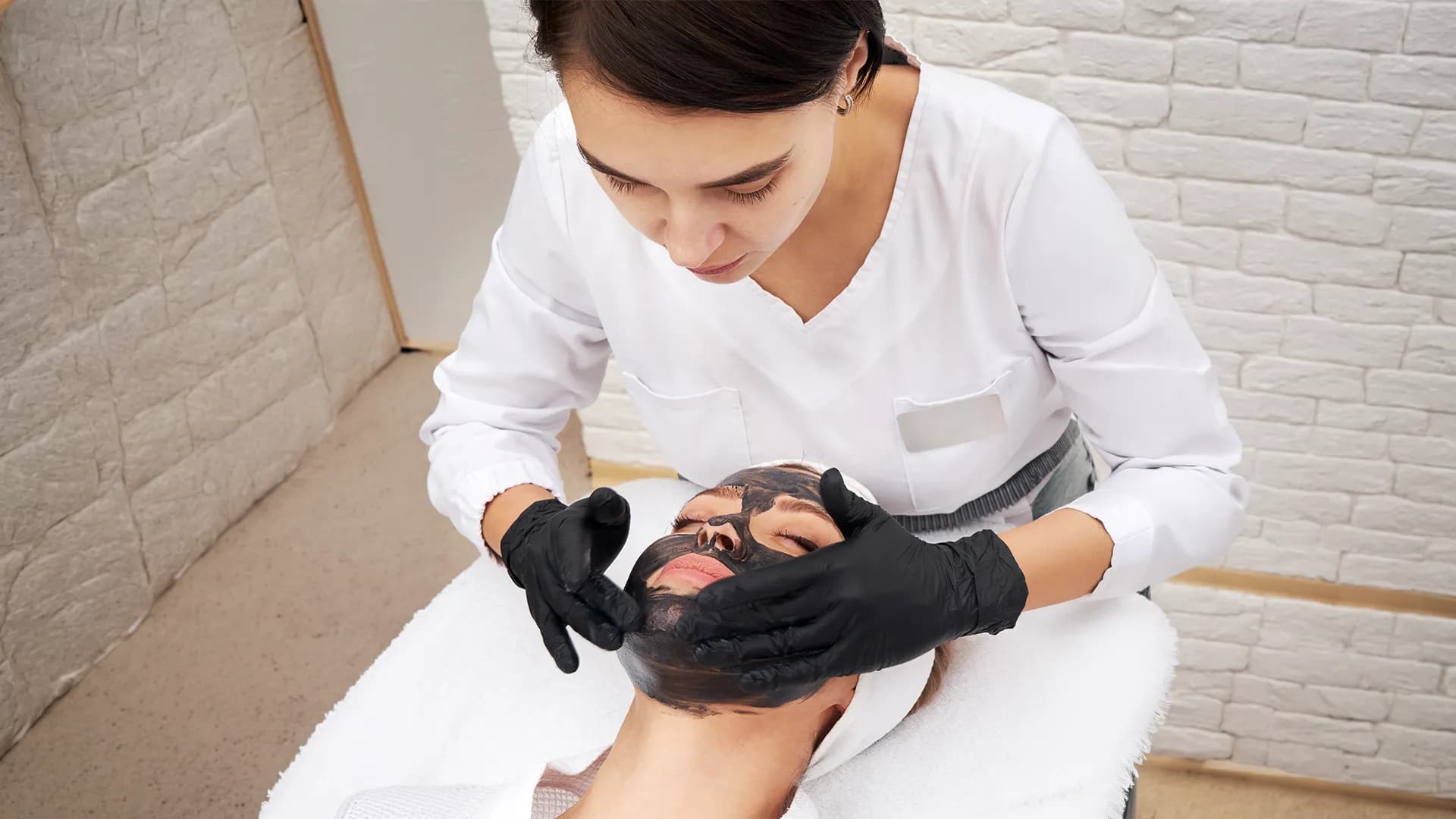
As carbon peel film dries on skin, it oxidises the upper stratum corneum, tightens the dermis, and creates permeability that enables deeper ingredient penetration. The V Carbon System combines activated charcoal powder with Gabellina (a molecular complex of GABA and biomimetic polypeptide) into a protocol platform that adapts to patient depth, indication, and skin type. This article explores carbon peel science: Gabellina's post-peel lifting mechanism, and customisation strategies for reliable outcomes across diverse patient profiles.
The Case for Carbon as Peeling Scaffold
Activated charcoal has long existed in skincare, predating modern aesthetic practice by decades. Its exceptional porosity and surface area make it an excellent adsorbent for impurities, oxidised sebum, and cellular debris. Yet carbon peel relevance lies well beyond passive cleansing. It provides mechanical and chemical support during the exfoliation window that fundamentally transforms outcomes compared to peels without a carrier matrix.
The V Carbon Film delivers carbon peel efficacy through 3 to 7% vegetable charcoal powder suspended in a carefully balanced acid mixture (mandelic, lactic, ferulic, glycolic at 5 to 10%) enabling tiered exfoliation. Mandelic acid's larger molecular structure provides controlled superficial work on the stratum corneum, whilst lactic acid offers balanced efficacy with gentleness for sensitive skin. Glycolic acid penetrates deeper with superior modulation when combined with mandelic acid.
Supporting components:
- Black ginger (Kaempferia parviflora) suppresses UV-induced inflammatory signalling
- Glycyrrhizic acid reduces hyaluronic acid degradation and calms the epidermis
- Ferulic acid exfoliates and stabilises the post-peel redox state
This sophisticated formulation explains why carbon peel treatment avoids the "hot" sensation many patients expect from peels. Instead, it produces mild warmth, occasional prickling if sensitised, and distinctive drying and tightening sensations that feel controlled rather than aggressive.
Timing: Soft Peels versus Medium Depth
The contact time you select for carbon peel treatment determines outcome entirely. Adjust based on Fitzpatrick skin type, baseline barrier health, and the target concern. The V Carbon System offers two primary windows that work reproducibly.
Soft peel: 8 to 12 minutes. This timing suits Fitzpatrick III to IV skin, patients with active rosacea or post-inflammatory sensitivity, and first-time peel patients. It produces primarily epidermal effects by stripping the corneum with mild papillary dermis stimulation. Results include brightening, texture refinement, and mild tightening, working exceptionally well for acne-prone skin. Retreat every 2 to 3 weeks.
Medium peel: 18 to 20 minutes. This targets Fitzpatrick I to III skin and mature photoaged skin in patients who have tolerated previous carbon peels well. It aims for reticular dermis stimulation with deeper acid penetration and extended charcoal oxidative effect. The stronger collagen remodelling signal suits fine lines, moderate sun damage, and laxity concerns. Retreat every 4 to 6 weeks.
Adherence to these timing windows yields predictable results because the chemistry is optimised for these specific timeframes. Times shorter than 8 minutes deliver insufficient exfoliation. Durations exceeding 20 minutes risk over-penetration without proportional benefit. Practitioner judgment, not time extension, determines actual outcome.
Gabellina: The Post-Peel Lifting Phase
After contact window closure, V Carbon Spray neutralisation delivers Gabellina, a molecular complex of gamma-aminobutyric acid (GABA) combined with biomimetic polypeptide scaffold. This formula leverages the charcoal film's temporary permeability increase, enabling GABA to reach basal and mid-dermal layers. GABA normally remains water-soluble and poorly penetrating, yet here it binds GABA receptors on fibroblasts and sensory nerve endings.
GABA's neuroinhibitory mechanism reduces substance P signalling to dampen inflammatory pain perception and post-peel discomfort, whilst activating chloride channels on keratinocytes and fibroblasts to stabilise resting membrane potential. Patients consistently report immediate burning and stinging reduction after Gabellina application within 60 seconds.
Gabellina's biomimetic polypeptide component mimics extracellular matrix signalling to trigger low-level fibroblast activation, avoiding hyperstimulation whilst providing mechanical support for dermal protein architecture. Practitioners observe visible immediate lifting that stabilises across 24 to 48 hours as collagen deposition initiates.
Critical application protocol: After spraying the neutraliser, perform a gentle 60-second massage to stimulate microflow and promote absorption. Follow with a second spray dose and another 60-second massage. This dual-application method ensures adequate Gabellina delivery to deeper dermal layers and maximises the immediate tightening effect.
Protocol Customisation: From Patient Selection to Retreat Strategy
Practitioner expertise in carbon peel treatment lies in reading the patient's skin accurately and selecting the appropriate depth window for their specific concerns. Constructing a retreat schedule that yields cumulative results without barrier compromise is essential.
Acne-prone skin delivers the highest return on investment because charcoal's adsorbent properties target sebum oxidation directly. The acid blend (particularly mandelic acid) penetrates the follicular wall without the irritation of glycolic acid alone. Soft carbon peels (8 to 12 minutes) spaced 3 weeks apart typically show marked reduction in comedone count by the third treatment. Four treatments over 12 weeks often provide clearing lasting three to six months.
Photoaging and texture lean toward medium carbon peels (18 to 20 minutes) spaced 4 to 6 weeks apart with deeper acid penetration and enhanced dermal stimulation. Gabellina's polypeptide scaffold supports collagen deposition effectively in photoaged skin. Four to six treatments show measurable improvement in skin firmness and radiance, often combined with radiofrequency or microneedling.
Post-inflammatory hyperpigmentation requires a soft carbon peel (8 to 9 minutes, not full 12 minutes) combined with pre-treatment tyrosinase inhibition and post-peel hydroquinone. Gentle acid exfoliation thins the epidermis in pigment areas whilst Gabellina's anti-inflammatory signalling prevents secondary inflammation. Space these every 2 weeks (4 treatments total) and strictly avoid medium-depth timing.
Rosacea-adjacent skin with reactive, vascular-prone characteristics often cannot tolerate traditional peels. Carbon peel treatment run soft and supported by black ginger extract's inflammatory dampening is surprisingly well-tolerated. Limit to 8-minute contact with extra-gentle neutralisation and emphasise pre-peel barrier support (ceramides, centella, niacinamide) to minimise post-treatment flaking.
Combining Carbon Peel with Other Modalities
The V Carbon System integrates into broader aesthetic treatment sequences as a foundation rather than an isolated modality.
Carbon peel plus radiofrequency: Combine peels (soft or medium, completed 48 hours prior) with radiofrequency to stimulate deeper dermal remodelling whilst the epidermis recovers. The increased peel-induced permeability enhances radiofrequency penetration and accelerates collagen deposition.
Carbon peel plus microneedling: Stage treatments 2 weeks apart. Perform peeling first, then microneedling after epidermis re-epithelialises whilst dermal remodelling is active. This timing maximises both exfoliative clearing and growth factor delivery.
Carbon peel plus topical actives: Pre-treat with retinoids or tyrosinase inhibitors for 4 weeks to prime the skin. Then introduce growth factors or peptides during the Gabellina window so primed fibroblasts respond strongly to treatment signals.
Economics and Practice Incorporation
The V Carbon System is effective and generates strong patient outcomes that drive referrals. It requires minimal capital investment and modest consumables compared to laser systems. Patient acquisition is straightforward because carbon peels generate compelling before-and-after imagery and word-of-mouth referrals.
A single patient undergoing a 4-treatment series typically returns for maintenance every 4 to 8 weeks post-series, creating predictable recurring revenue. The system's effectiveness (no complex machinery, minimal staff training, quick 30-minute appointments) allows practitioners to schedule 3 to 4 appointments daily if desired.
Post-Peel Care and Patient Education
After carbon peel treatment, the epidermis is in an accelerated renewal state requiring careful management.
Day 0 to 1: Minimal water contact, gentle cleanser (milk or micellar water only) if needed, heavy moisturiser with ceramides and centella, and no actives or sun exposure.
Day 2 to 3: Natural gentle exfoliation with light flaking, gentle cleanser and basic skincare, hydrating mist, and SPF 50+ when outdoors.
Day 4 to 7: Flaking subsides with skin typically clear by day 5. Gradual return to normal skincare routine without retinoids or vitamin C until after day 7.
Weeks 2 to 4: The collagen remodelling phase with supportive peptides, niacinamide, and light hydrating serums as retinoids and active treatments resume.
Critical instruction: Avoid picking or aggressive scrubbing during flaking, as the epidermis is vulnerable and picking risks post-inflammatory hyperpigmentation and uneven shedding. Pre-peel hydration (hyaluronic acid and glycerin serums for 48 hours before treatment) can reduce flaking intensity and improve patient compliance.
Troubleshooting Common Practitioner Errors
Over-timing and barrier disruption: Practitioners often extend contact to 22 to 25 minutes, leading to excessive erythema, intense flaking, and rare post-peel demarcation lines. Stick to protocol windows as longer contact times are counterproductive.
Insufficient Gabellina massage: Applying the spray without massage wastes the lifting effect. The 60-second massage must be present, gentle, and consistent. Practitioners who skip or rush the massage report lower patient satisfaction with immediate results. The immediate tightening effect is what engages patients psychologically.
Inadequate patient selection for depth: Running a medium peel on a Fitzpatrick V patient or someone with active rosacea creates foreseeable problems. Invest 5 minutes in baseline skin assessment (Fitzpatrick typing, barrier health check, recent sensitising treatments) and choose depth based on that assessment.
Ignoring contraindications: Carbon peel treatment is contraindicated in active infection (bacterial, fungal, viral), recent Accutane use (within 6 to 12 months), uncontrolled diabetes, or severe rosacea with active pustulation. The acid component still disrupts barrier and the risk of post-inflammatory hyperpigmentation or infection rises sharply.
Measuring Outcomes: What Success Looks Like
By treatment number:
- Acne-prone skin: 40 to 60% comedone reduction by treatment 3
- Photoaging: Visible texture improvement and mild laxity tightening by treatment 4
- Pigmentation disorders: Stable or lightened spots by treatment 3
Patients should report improved skin texture, brightness, and confidence by week 2 post-treatment, maintaining these subjectively for 4 to 8 weeks.
Objective measures are harder in private practice. Some practitioners adopt digital photography at standard lighting and angles to track results. Whatever your method, track it because the carbon peel portfolio is large enough (acne, ageing, pigmentation, texture, laxity) that you'll want to know which indications you excel at.
The Carbon Peel Treatment Advantage: Why Practitioners Choose It
Carbon peel treatment sits in a useful niche in aesthetic dermatology. It is more approachable than ablative lasers and less caustic than TCA or phenol peels, yet more dramatic than microdermabrasion. The science is sound: the acid blend, charcoal adsorption, and Gabellina lifting effect are reproducible across all practitioners with protocol discipline.
The V Carbon System uniquely pairs exfoliative action with Gabellina, a neurotropic lifting agent unavailable elsewhere in peeling systems. This transforms carbon peel treatment from simple clarifying into a comprehensive platform addressing laxity, fine lines, and barrier recovery simultaneously.
It represents the emerging standard for practitioners seeking real efficacy without deeper peel intensity or laser equipment complexity. Margins sustain healthy practice growth and patient satisfaction.
Frequently Asked Questions
Soft peels can be performed every 2 to 3 weeks. Medium peels should be spaced 4 to 6 weeks apart to allow the epidermis to fully re-epithelialise and the dermal collagen remodelling cycle to advance. Shorter intervals risk barrier compromise and diminishing returns.
Yes, but with caution: a soft carbon peel can be followed by microneedling 2 weeks later. A medium peel should stand alone for 4 weeks before introducing radiofrequency or microneedling. Do not combine two peeling modalities (carbon plus glycolic peel) in the same month, as the cumulative barrier stress is unpredictable.
Start with soft 8 to 12 minute protocols on Fitzpatrick I to II skin with acne or mild photoaging, as these patients tolerate minor technique errors well and respond visibly. Once you are comfortable with post-peel timing, neutralisation, and patient management, gradually introduce medium peels and darker skin types.
Pre-peel hydration (hyaluronic acid plus glycerin serums for 48 hours before treatment) reduces flaking intensity, whilst post-peel emphasis on gentle moisturising without active exfoliation and heavy creams with ceramides help. Flaking is a normal part of the process. Framing it to patients as "shedding old, tired skin" often reframes it positively. A few patients simply cannot accept visible flaking and may be better suited to micro-peels or non-peeling options.
Yes. The acid blend and Gabellina work on all body areas. These areas have thinner, more vascularised skin, so reduce contact time by 2 to 4 minutes (soft peel becomes 6 to 10 minutes, medium peel becomes 14 to 16 minutes). Be more conservative with darker skin types on the chest due to higher post-inflammatory hyperpigmentation risk, though the neck tolerates medium peels well if done carefully.
Reactions are rare but possible. If a patient reports blistering, severe persistent erythema beyond 24 hours, or itching and rash, recommend cool compresses, fragrance-free moisturiser, and topical hydrocortisone 1% if inflammation persists. Rule out secondary infection and defer repeat treatment until reaction fully resolves and causative ingredient is identified, as most "unexpected irritation" proves actually predictable and within normal post-peel inflammatory range.
Pregnancy is a relative contraindication due to increased skin sensitivity and unpredictable post-inflammatory hyperpigmentation risk from melasma. Whilst the topical acid and Gabellina are not systemically absorbed in dangerous quantities, patient risk tolerance is best evaluated post-pregnancy. Defer elective peels until the third trimester or after lactation ends if breastfeeding, or alternatively recommend waiting 6 months post-delivery. Most practitioners choose to decline during pregnancy for liability and practical reasons.
Brightness and texture improve by day 5 to 7. Mild tightening appears immediately after Gabellina application and stabilises by day 3. Meaningful fine line or laxity improvement requires 4 treatments over 16 to 24 weeks.
Acne clearing takes 3 to 4 treatments over 8 to 12 weeks. Pigmentation takes 4 to 6 treatments over 12 to 24 weeks. Set these expectations at consultation with photos at baseline, week 4, and week 12 to help patients see cumulative progress.
Discontinue retinoids 5 to 7 days before carbon peel treatment, as the combination increases irritation risk and post-peel barrier vulnerability, then resume retinoids 7 days post-peel. If the patient is on oral retinoid (Accutane), do not perform the peel within 6 to 12 months of completing the course, as skin remains too fragile.
A soft carbon peel is active exfoliation with documented collagen stimulation, whilst a mask is passive cleansing. Frame this clearly: if a patient wants relaxation, recommend a hydrating facial, but if they want results (clearing, tightening, texture), carbon peel treatment is the right choice to prevent expectation mismatch and no-show rates.
Research local pricing in your market. Factor in material cost, staff time, and facility overhead. Offer treatment series discounts to drive commitment and frequency, which boosts patient lifetime value.
Carbon peel treatment can help atrophic acne scars by stimulating dermal remodelling and improving surrounding skin texture, though it will not fill deep box scars or ice-pick scars. Use soft peels (8 to 10 minutes) spaced 4 weeks apart, combining with microneedling or radiofrequency at 2-week intervals for enhanced results. Avoiding medium peels directly over scars due to inconsistent acid penetration.
This suggests barrier disruption or over-treatment. For the next visit, reduce contact time by 4 to 6 minutes and extend the interval to 6 weeks, reinforcing pre-peel barrier support (ceramides, centella, niacinamide for 2 weeks prior) and considering a topical probiotic or azelaic acid post-peel to manage vasodilation. If reactivity persists, switch to soft peels spaced 6 to 8 weeks apart.
No absolute minimum, though teenagers with moderate acne respond well. Assess maturity: can they comply with post-peel care instructions? A responsible teenager with severe acne is a candidate. For younger patients, start conservatively with soft peels and prioritise education on aftercare.
Patients who complete a successful 4-treatment acne series often return for maintenance every 8 to 12 weeks. A photoaging patient typically books another series 6 to 12 months later. Patients combining carbon peel treatment with complementary Exovea products become high-value repeat customers.
The consumable model ensures recurring revenue and justifies staff training investment. Carbon peel treatment is among the most profitable recurring-revenue tools in aesthetic dermatology.
The V Carbon System represents the evolution of chemical peeling in practitioner-led settings. By understanding the underlying science (activated charcoal adsorption, tiered acid exfoliation, GABA neurotropic lifting), practitioners move beyond protocol execution into genuine customisation. The result is better patient outcomes, sustainable practice growth, and the confidence that comes from mastering a comprehensive platform.