Acne Scar Treatment: A Dermatologist's Guide to Clearer Skin
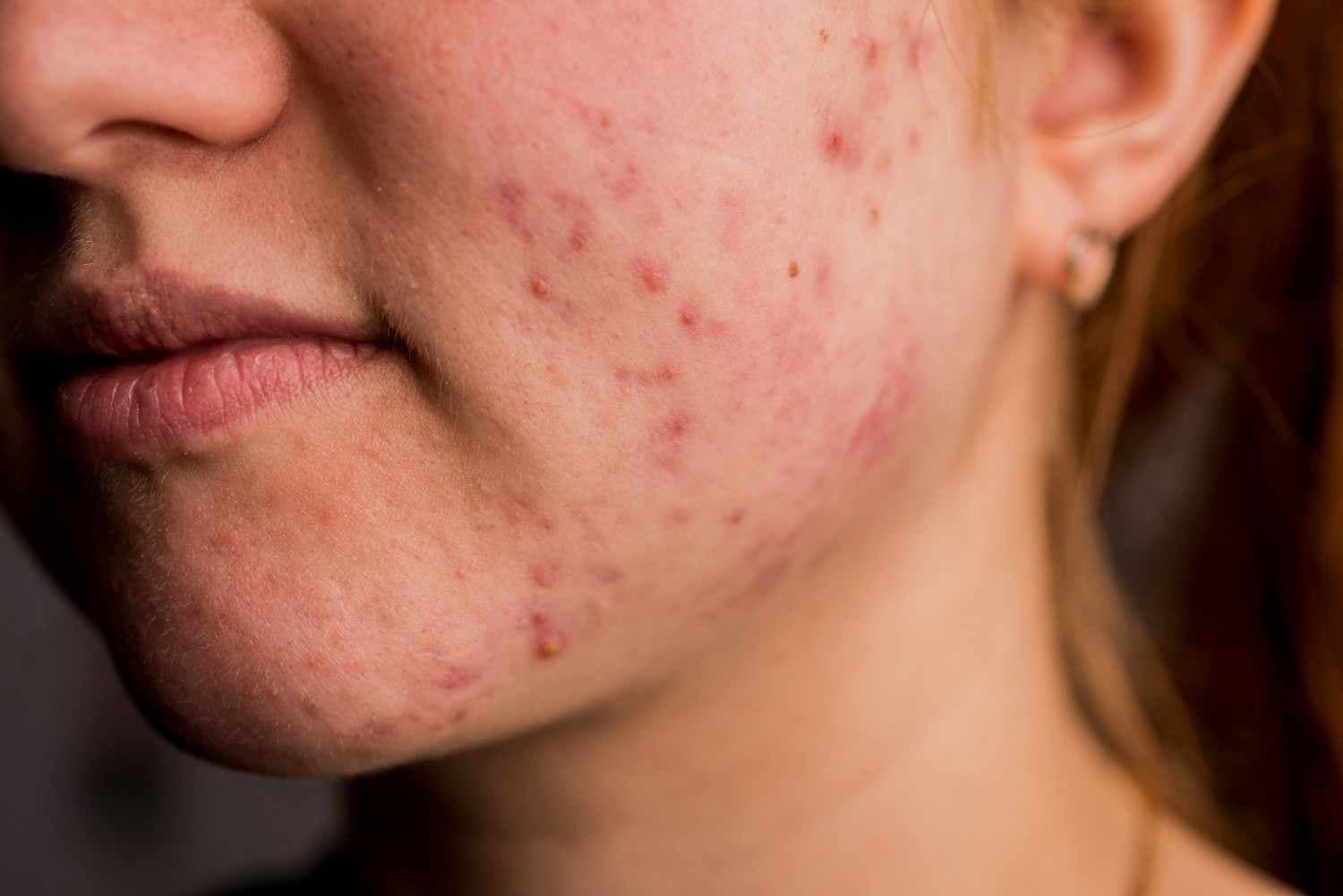
Acne scar treatment efficacy varies widely because most treatments address only one scarring aspect, which is precisely the problem. The most effective approach combines scar type understanding with precision application of proven clinical solutions. These must be tailored to your specific scar subtype and include ingredients that address root causes of scarring.
Acne scars affect roughly 80% of people who've had moderate to severe acne. They reshape light reflection and cast shadows that create uneven complexions with real psychological impact, justifying proper treatment.
Understanding Acne Scarring: Why It Happens
Acne creates deep dermal inflammation that, when healing is improperly managed, results in collagen deficit (atrophic scars) or excess (hypertrophic scars). These manifest as indentations, rolling scars with sloping edges, boxcar divots, or icepick scars plunging straight down through skin.
Treatment must match scar morphology precisely since treatments working for rolling scars may barely touch icepick scars. This explains why generic approaches fail repeatedly. Residual inflammation, reduced collagen production, and altered texture persist after acne clears, requiring treatment that addresses all three issues simultaneously.
In our experience at Aakaar, treatment works best when practitioners assess the scar type first, then layer approaches that address the specific pathology.
Why Standard Treatments Miss the Mark
At-home approaches using chemical peels, retinoids, and vitamin C address surface texture and pigmentation but cannot reach dermal depth where treatment must actually occur. Topical treatment helps with maintenance and mild discoloration without triggering deep collagen remodelling required for true scar improvement.
Professional treatment through laser resurfacing, microneedling, or subcision penetrates the dermis to create controlled injury, stimulating the skin's healing response and collagen remodelling. Results amplify dramatically when combined with supportive peeling chemistry and post-treatment ingredients supporting healing.
Peeling Systems: The Science Behind Treatment
Professional-grade chemical peels remain underrated for scar treatment since they penetrate differently based on acid type and concentration used. Well-designed peeling systems work on two fronts simultaneously: removing damaged surface layers that obscure healthy skin, and delivering actives that reduce inflammation and stimulate fibroblast activity.
The ZK Face system offers a three-phase approach. Initial hyaluronic acid with varying molecular weights prepares the skin, followed by subsequent phases incorporating acids to remodel tissue. The formulation includes plant stem cells and niacinamide to calm inflammation and support barrier function.
This triphasic design recognises that scars require layered intervention, with controlled timing critical: superficial penetration at 3 minutes, deeper work at 10 minutes. This prevents over-aggression while ensuring adequate depth and addresses both visible scars and physiological perpetuating conditions.
The V Carbon System: Charcoal and Precision for Treatment
The V Carbon Film combines vegetable charcoal with mandelic, lactic, ferulic, and glycolic acids. Charcoal absorbs oils and impurities while acids remodel tissue. This matters because many people with scarring have residual acne-prone skin, allowing treatment to address both conditions simultaneously.
The V Carbon Spray contains Gabellina, a biomimetic polypeptide that provides lifting and supports tissue integrity during healing when applied post-treatment. Flexible protocol duration (eight to twenty minutes) lets practitioners customise intensity to scar severity appropriately.
Key benefits of V Carbon system:
- Dual action on scarring and residual acne
- Adjustable treatment duration for customised intensity
- Post-treatment support with tissue-integrity peptides
Combining Treatment with Proper Aftercare
Treatment itself represents only 60% of results, with post-procedure care driving the remaining 40% of gains. Peeling creates a "therapeutic wound" where temporarily compromised skin naturally develops inflammation as part of healing. If left unmanaged, healing goes sideways toward irritation, sensitivity, or paradoxically increased pigmentation from faults in aftercare.
Post-treatment skin needs gentle cleansing that does not disrupt the healing barrier, plus ceramide-rich moisturisers and sun protection using chemical rather than irritating mineral sunscreens. Avoid active treatments for at least a week while tolerating redness and sensitivity that peaks around day three.
Resist rushing back into full skincare routines since intentional epidermal disruption requires time to heal properly. Collagen reorganisation and actual remodelling happen over weeks and months following treatment.
Post-treatment aftercare essentials:
- Gentle cleansing without disrupting healing barrier
- Ceramide-rich moisturisers for barrier support
- Chemical sunscreen (not mineral) for protection
- No active treatments for first week minimum
Best Scar Treatment: Setting Realistic Expectations
One session cannot erase scars since biology requires multiple sessions compounding results. Most people with moderate scarring see meaningful improvement after three to four sessions spaced four to six weeks apart, with final results requiring continued care that builds collagen remodelling. A single appointment won't change deeply pitted or rolling scars completely. This is important to accept before starting.
Best results emerge from commitment to four or five sessions plus proper aftercare, as early improvements motivate the sustained care essential to deliver final gains.
How Different Scar Types Respond to Treatment
Atrophic scars respond excellently to peeling and resurfacing that trigger collagen synthesis, filling depressions gradually. Hypertrophic scars and keloids respond to collagen-reducing treatments, with some benefiting from combination approaches.
Pigmented scars respond to peeling that removes discoloured layers and allows normal pigment to emerge. Textural roughness improves with peeling though microneedling may be necessary for complete resolution.
Since no single approach works equally for all scar types, specific scarring pattern assessment is absolutely essential before beginning.
Red Flags and When to Seek Professional Treatment
Avoid convenient-sounding treatments: no cream fixes atrophic scars and no mask lifts icepick scars, despite marketing claims. If products claim results without mentioning collagen remodelling, they're not addressing the actual problem.
Seek professional treatment if scars cover more than 20% of your face, multiple scar types are present, home care has plateaued, or scarring significantly affects confidence. Professional treatment requires financial investment over months, but this costs less than years of visible reminders while your skin improves everywhere except the scars you ignored.
The Role of Skin Type and Ethnicity in Treatment
Darker skin tones require modified approaches due to higher post-inflammatory hyperpigmentation risk and laser complications. Chemical peeling offers distinct advantages by bypassing wavelength concerns and focusing on acid type and concentration.
Mandelic and lactic acids (V Carbon system) are proving gentler than alternatives. If you have darker skin and are considering treatment, seek practitioners experienced with your tone since optimal protocols differ substantially from light-skin-optimised approaches.
Timeline: When You'll See Results from Treatment
After treatment, redness peaks around day two to three, and surface appearance improves by day five. Collagen remodelling becomes visible around week two, with most improvement between weeks two and four.
Realistic improvement expectations:
- After four appropriately spaced sessions, most people achieve 40-60% overall improvement
- Some reach 70-80% improvement
- Realistic goal is significantly less visible scars rather than total erasure
Combining Professional Treatment with Home Care
Optimal treatment combines professional peeling or resurfacing every four to six weeks with supportive home care that protects gains.
Supportive home care between sessions:
- Retinoids for collagen synthesis
- Niacinamide to reduce inflammation
- Hyaluronic acid for hydration and barrier support
- Sunscreen to prevent post-healing pigmentation
This integrated approach produces results neither modality achieves alone, as each layer builds on the previous. Treatment has advanced dramatically, offering real options that produce visible results when properly sequenced.
Start by identifying your scar type (rolling, boxcar, or icepick) to determine the appropriate approach, considering your skin tone and healing history whilst seeking professional assessment from someone experienced with your situation. Commitment to this process produces measurable change, as your skin healed from acne once before and can heal again from the inside out with proper guidance.
Frequently Asked Questions
No treatment is genuinely fast, as skin remodeling requires time. Professional peeling or laser treatment produces visible improvement faster than home care alone, but even the most aggressive approach requires multiple sessions over months.
Complete scar removal is not realistic for most people, as the goal is improving appearance by 40-70%. Many scars flatten significantly but retain faint visibility, especially in certain lighting, which is often sufficient to restore confidence.
If scars significantly impact your life or confidence, yes. Consider the long-term cost of living with visible scarring versus the cost of treatment, as most people find the investment worthwhile.
Atrophic scars are indented (collagen insufficient) whilst hypertrophic scars are raised (collagen excessive), making treatment approaches differ based on scar type.
Active acne complicates scar treatment. Prioritize clearing active acne first, then address scars, as treating scars while acne is present may mean repeated treatments as new scars form.
Most people space treatments four to six weeks apart, as doing treatments closer together doesn't improve results and increases irritation risk.
Yes. Acne scars don't have an expiration date for treatment, as collagen remodeling can happen regardless of scar age. Older scars may respond slightly more slowly, but results are achievable.
Shorter peeling times and lower acid concentrations, combined with barrier-supporting products, work well, as chemical peeling is often gentler than laser for sensitive skin, though treatment must be modified.
Sun exposure during healing can cause permanent hyperpigmentation, making strict sunscreen use (SPF 30+) essential for at least a month after treatment.
Both work. Microneedling creates deeper collagen stimulation while chemical peeling removes damaged surface tissue while delivering actives. Many practitioners combine both for optimal acne scar treatment results.
Costs vary by location, scar severity, and treatment type, with most people requiring 3-5 sessions across several months.
Superficial home peels may help with discoloration but won't address true scarring, as professional-grade acne scar treatment requires proper assessment and controlled application.
Niacinamide, hyaluronic acid, ceramides, and peptides support healing, though you should avoid vitamin C and retinoids for the first week post-treatment, then reintroduce carefully.
Yes, but it requires practitioners experienced with your skin type, as chemical peeling with the right acid selection is often superior to laser for darker skin in acne scar treatment.
First improvements appear around week two, with most visible improvement occurring between weeks 2-4 and maximum results manifesting over 2-3 months as collagen continues remodeling.